
Data collected by the National Safety Council showed a 13% drop in U.S. motor vehicle deaths for the first half of 2025. Still, deaths from motorcycle accidents remain a serious problem across different states in the United States.
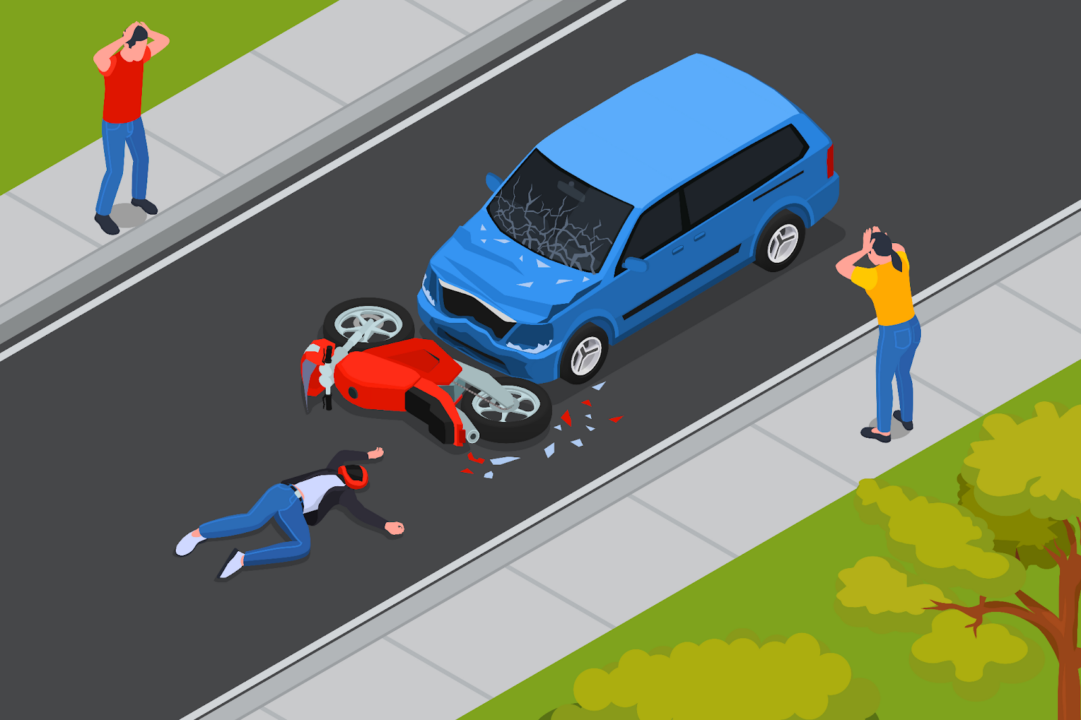
Road accidents involving motorcycles usually produce serious injuries that are followed by certain legal problems, including the issue of culpability. Compared to cars, motorcycles’ limited safety features make them more dangerous for riders.
According to Denton motorcycle accident lawyer Samuel B. Burke, motorcycle crashes are commonly caused by various factors. These factors include ignoring traffic rules while driving, running red lights or not giving the right of way, and driving drunk or impaired.
Let’s examine how liability is identified in motorcycle accidents.
Key Factors Influencing Fault in Motorcycle Accidents
Many major aspects affect the determination of liability in motorcycle accidents, which can completely alter the outcome of the case. Investigators will primarily examine the actions of each driver prior to the accident. Did they abide by all traffic laws? Did one of the drivers have the right-of-way simply because they arrived first?
In a fault-based state, the driver who is deemed to have caused the accident becomes the party against whom liability may justifiably be imposed for damages, hence the great importance associated with its determination.
Some authorities will look at certain factors when assigning faults, such as weather conditions, road conditions, and visibility. Witness testimonies and reports from the police muster up all the necessary evidence to clarify the situation.
Another factor to look at is behavior influenced by any substance, whether prescribed or not, and any impaired qualities of the involved drivers.
This can change who was at fault. Also, the type of motorcycle and its safety features might be looked at. These mechanical features could have played a part in the crash. Analysis of these factors helps figure out who is to blame.
Collecting Evidence Following a Motorcycle Accident
The gathering of evidence right after a motorcycle accident is very important. It helps figure out who was at fault. It also protects the legal rights of everyone involved.
To start with, take accident scene photographs. Show where the car is and where the damage happened in the photos. Take pictures of any skid marks or debris too.
Write down the contact info of other drivers and witnesses. Their statements can be very helpful in understanding the accident. Request a copy of the police report if it might be available. The report produced will provide valuable details on the incident.
Maintain complete records of injuries received as and when they are incurred and checked in any given physical examination. Keep all receipts for the same treatment in connection with the injury treatment. The evidence you collect will strengthen your case. Evidence also allows the authorities to get the desired perspective on how the accident transpired.
The Impact of Witnesses on Fault Determination
Witnesses are an important element when proving fault in any motorcycle accident. Witnesses often offer critical county accounts about the events that led up to the collision. With what witnesses say about events, they might help in determining the time of and acts subsequent to the crash. They can advise how quickly the cars were moving and whether the road was dry or wet or if there was a stop sign.
The witnesses’ accounts could either support or dispute the assertions of an involved party. The credibility of witnesses could significantly impact how insurance carriers and other agencies determine fault.
The importance of having a witness may provide an advantage over another, depending on which eyewitness is expected to be more credible. It is important to identify and speak with a witness shortly after their accident.
How Law Enforcement Reports Affect Fault Decisions

In motorcycle accidents, police reports actually provide the authoritative resource with regard to determining fault. They include key details and are helpful for attributing negligence in the accident scene. The report will highlight the facts of the case and indicate for each party whether or not they were cited, ticketed, or left cleanly without such consequence. The insurance company and the court require this report to properly analyze the events leading to the incident.
The report clearly assigns fault to one party, which carries significant weight but does not deliver a verdict, so your statement and your witness statement will not hold much weight against the official statements.
A good, clear, and authentic police report can significantly improve your case.
Insurance Claims After a Motorcycle Accident
Handling insurance claims after a motorcycle accident is very challenging.
If you ever have an accident, remember to inform your insurance company of it. Build up your claim with documentation.
When insurance companies decide to question the authenticity of a claim, you need to improve its validity by presenting witness testimonial statements, photographs, documented damage, and even medical records. Insurance officials will review your claim and issue your settlement check. You need to follow up with the insurance company for your reimbursement.
One should be aware of some factors that affect liability when it comes to involvement in a motorcycle accident. Such factors would include the behavior of drivers, adherence to traffic laws, and prevailing weather conditions that may have contributed to the accident.