
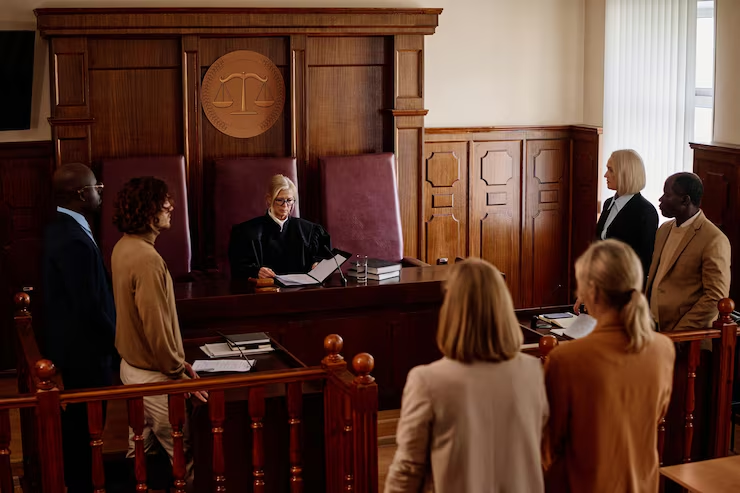
Facing a DUI charge in Maryland can feel overwhelming especially when you’re unsure what will happen once you step into the courtroom. While many resources explain arrests, penalties, or legal options, fewer focus specifically on what unfolds during a DUI court hearing itself. For a complete legal overview, visit our Maryland DUI lawyers guide.
This guide walks you through exactly what to expect during a Maryland DUI court hearing, from who will be present to how decisions are made. Understanding the process can help reduce anxiety and ensure you’re better prepared for your court date.
Overview of a Maryland DUI Court Hearing
A Maryland DUI court hearing is a formal legal proceeding where your case is presented before a judge. This is where the legal system evaluates the charges against you and determines the next steps or, in some cases, the final outcome. If you want a deeper breakdown of the full legal process, read what happens after a DUI arrest in Maryland.
According to the Maryland Judiciary, DUI cases are handled within the state’s district court system.
Purpose of the DUI Court Hearing
The primary purpose of a DUI court hearing is to address the charges filed against you and move your case forward within the legal system. Depending on the type of hearing, this may involve entering a plea, reviewing evidence, or even resolving the case.
In many situations, the hearing is not the final trial but rather a procedural step that sets the stage for future court dates or negotiations.
Key Differences Between Court Hearing and Other DUI Stages
It’s important not to confuse a court hearing with other stages of a DUI case. Unlike a traffic stop or arrest, the hearing takes place in a courtroom under the supervision of a judge.
Additionally, this is separate from administrative proceedings related to your driver’s license. The court hearing strictly focuses on the criminal aspect of your DUI case. To understand earlier stages like traffic stops, check what happens during a DUI traffic stop.
Who Will Be Present in the Courtroom
Understanding who is in the courtroom can help you feel more confident and prepared.
Role of the Judge in DUI Cases
The judge oversees the entire hearing, ensures legal procedures are followed, and ultimately makes decisions on motions, pleas, and sometimes sentencing. They act as a neutral party responsible for fairness and legal accuracy.
Prosecutor vs Defense Attorney Responsibilities
The prosecutor represents the state and is responsible for presenting evidence against you. Their goal is to prove that you committed the DUI offense.
Your defense attorney, on the other hand, advocates on your behalf. They challenge evidence, present defenses, and guide you through each step of the process.
What the Defendant Is Expected to Do
As the defendant, your role is to appear in court, follow instructions, and respond when required. In many cases, your attorney will do most of the speaking, but you may need to enter a plea or answer direct questions from the judge.
Step by Step Breakdown of the Hearing Process
While every case is unique, most Maryland DUI court hearings follow a similar structure.
Case Called and Initial Formalities
The hearing begins when your case is called. You and your attorney will step forward, and the judge will confirm your identity and review basic case details.
Reading of Charges and Plea Entry
The judge or prosecutor will state the charges against you. At this point, you’ll be asked to enter a plea typically guilty, not guilty, or no contest. Learn how charges are classified in detail here: Is a DUI a felony or misdemeanor in Maryland?
Presentation of Evidence and Arguments
In some hearings, especially more advanced ones, both sides may present evidence. This can include police reports, body camera footage, or breath test results. Breath test evidence can be challenged — read common breathalyzer myths in Maryland.
Witness Testimony and Cross Examination
If the hearing involves factual disputes, witnesses such as police officers may testify. Your attorney has the right to cross examine these witnesses to challenge their statements.
Closing Statements and Judge’s Consideration
After evidence and testimony are presented, both sides may summarize their arguments. The judge will then consider the information before making a decision or scheduling the next step.
Possible Pleas and What They Mean
Choosing how to plead is one of the most important moments in a DUI court hearing. Understanding penalties is crucial see DUI penalties explained.
Guilty Plea and Immediate Consequences
A guilty plea means you admit to the charges. In some cases, the judge may proceed directly to sentencing, depending on the circumstances.
Not Guilty Plea and Trial Scheduling
If you plead not guilty, your case will move forward. The court will typically schedule future hearings, including a possible trial date.
No Contest Plea Explained
A no contest plea means you do not admit guilt but accept that the court may treat the charge as proven. This option is less common and depends on legal strategy.
What Happens After You Enter a Plea
The court process doesn’t stop after your plea it often continues with additional steps. What you do early matters read what to do in the first 24 hours after a DUI arrest.
Scheduling Future Court Dates
If your case isn’t resolved, the judge will set future dates for hearings or trial. These may include status conferences or evidentiary hearings.
Pre Trial Motions and Hearings
Your attorney may file motions to challenge evidence or procedures. These hearings can significantly impact the strength of the case against you.
Negotiations and Plea Bargaining
In many DUI cases, the defense and prosecution may negotiate a resolution. This could result in reduced charges or alternative outcomes.
Potential Outcomes of a DUI Court Hearing
The outcome of a hearing depends on several factors, including evidence, legal arguments, and your plea. Wonder if your case can be dropped? See can a DUI be dismissed in Maryland.
Case Dismissal Possibilities
In some situations, a case may be dismissed due to insufficient evidence or legal errors. While not common, it is possible.
Conviction and Sentencing Phase
If you are found guilty or plead guilty, the case moves to sentencing. The judge will determine penalties based on the specifics of your case.
Probation Before Judgment (PBJ) Basics
One possible outcome is Probation Before Judgment (PBJ), which allows you to avoid a formal conviction if you meet certain conditions set by the court. Also learn how long a DUI affects your record: how long a DUI stays on your record.
How to Prepare for Your DUI Court Appearance
Preparation can make a significant difference in how your hearing goes.
What to Wear and Courtroom Etiquette
Dress professionally and conservatively. Respectful behavior such as standing when the judge enters and addressing the court properly can leave a positive impression.
Documents and Evidence to Bring
Bring any documents your attorney advises, including identification, court notices, and relevant evidence. Being organized helps avoid unnecessary delays.
Common Mistakes to Avoid in Court
Avoid interrupting the judge, arriving late, or speaking without your attorney’s guidance. These mistakes can negatively impact your case.
Frequently Asked Questions About DUI Court Hearings
How Long Does a DUI Court Hearing Take?
Most DUI court hearings are relatively short, often lasting between 10 and 30 minutes. However, more complex hearings involving evidence or testimony may take longer.
Do You Have to Speak During the Hearing?
In many cases, your attorney will handle most of the communication. You may only need to speak when entering a plea or responding to direct questions from the judge.
Can Your Case Be Resolved in One Hearing?
Yes, some cases are resolved in a single hearing especially if a plea agreement is reached. However, many DUI cases require multiple court appearances.
What Happens If You Miss Your Court Date?
Missing a court date can lead to serious consequences, including a bench warrant for your arrest. It’s critical to attend all scheduled hearings or notify the court in advance if you cannot appear.
Read more about court timelines here: Maryland DUI arrest timeline.
Final Thoughts
A Maryland DUI court hearing is a structured and procedural event where key decisions about your case are made. While it may seem intimidating, knowing what to expect can help you approach the process with greater confidence.
By understanding each stage from entering the courtroom to possible outcomes you’ll be better prepared to navigate your DUI case and make informed decisions along the way.