
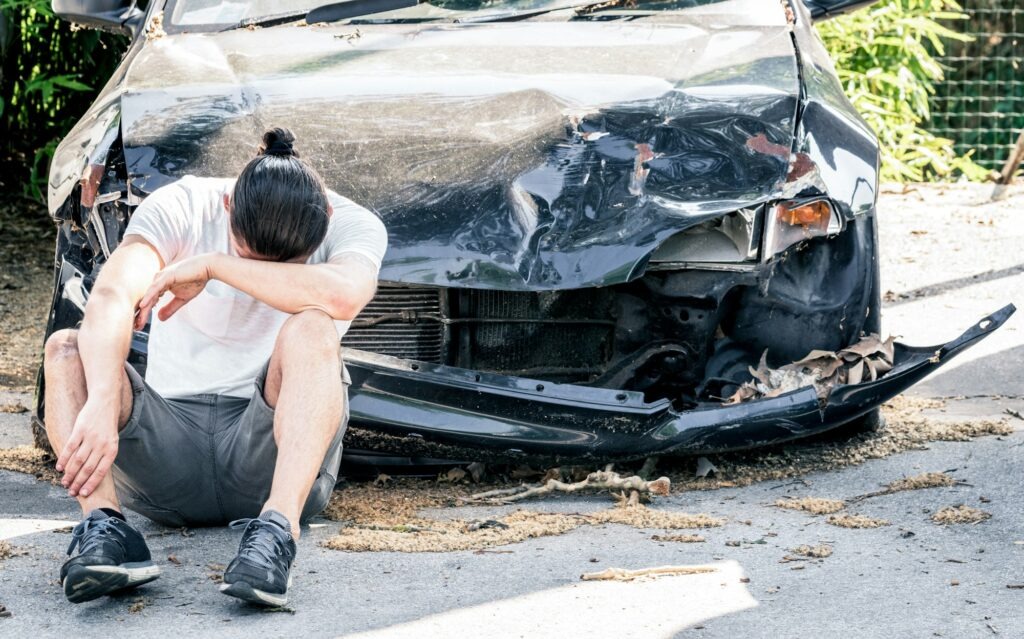
A hit-and-run can leave you shaken and frustrated—especially when the other driver disappears before you can exchange information. In Seattle, what you do in the first minutes and days after the crash can directly affect your safety, your insurance claim, and your ability to recover compensation for medical bills, lost wages, and vehicle damage.
Below is a clear, step-by-step guide on how to report a hit-and-run in Seattle and what to do next to protect your rights.
What Counts as a Hit-and-Run in Seattle?
A hit-and-run happens when a driver is involved in a collision and leaves the scene without stopping to provide required information (and assistance if someone is hurt). This can include:
- A crash involving another car
- A pedestrian or cyclist collision
- A parked car being struck
- Property damage (fences, poles, storefronts, etc.)
Washington law generally requires drivers to stop, share identifying and insurance information, and provide reasonable help if injuries are involved.
Step 1: Get to Safety and Call 911
Your first priority is safety.
If you’re in immediate danger
Move out of traffic if you can do so safely. Turn on hazard lights. If your vehicle is drivable and you’re on a busy roadway, pull to a safer location nearby.
Call 911 right away
Call 911 if:
- Anyone may be injured (even if it seems minor)
- The other driver fled
- You’re in an unsafe location
- There’s significant vehicle damage or debris hazards
When speaking with dispatch, clearly state it was a hit-and-run and give your exact location (street, intersection, nearby business/landmark).
Step 2: Write Down What You Remember Immediately
In hit-and-run cases, details fade fast—so capture them while they’re fresh.
Try to record:
- License plate number (even partial)
- Vehicle make/model, color, body type (sedan, SUV, truck)
- Distinctive features (stickers, dents, missing hubcap, tinted windows)
- Direction the vehicle fled
- A description of the driver (only if you saw them)
Even “small” details can help police identify the car later.
Step 3: Document the Scene Like You’re Building a Case
Evidence is everything in a hit-and-run.
Take photos/video of:
- Damage to your car (close-up and wide shots)
- The full scene (traffic signs, skid marks, debris, intersections)
- Any injuries (bruising, cuts—if appropriate)
- Nearby cameras on businesses, intersections, or homes
Look for witnesses
Ask bystanders if they saw what happened and request:
- Name + phone number
- A quick statement of what they observed
- Whether they captured photos or video
If someone has dashcam footage, ask them to share it and note the time of the crash.
Step 4: Report the Hit-and-Run to the Seattle Police Department
If police respond to the scene, provide your statement and request the report number. If police don’t respond (which can happen in some non-injury/property-only situations), you can still file a report using the Seattle Police Department’s reporting options (including online for certain incidents).
Be ready with:
- Date/time/location
- Vehicle damage details
- Any suspect vehicle information
- Witness contact information
- Photos/video you captured
A formal report helps validate the incident for insurance and creates an official record that supports your claim.
Step 5: Get Medical Care (Even If You Feel “Fine”)
After a hit-and-run, adrenaline can mask symptoms. Injuries like whiplash, concussions, and soft tissue damage may not fully show up for hours or even days.
Why medical documentation matters
- Protects your health by catching injuries early
- Creates records linking your injuries to the crash
- Reduces the risk an insurer argues your injuries “weren’t from the accident”
If you’re unsure where to start, an urgent care visit or your primary care provider can help assess next steps.
Step 6: Notify Your Insurance Company Promptly
Report the crash to your insurer as soon as possible. Hit-and-run claims often rely on specific coverages, such as:
- Uninsured/Underinsured Motorist (UM/UIM) coverage (may apply if the driver can’t be identified)
- Collision coverage (often applies to vehicle repairs, depending on your policy)
- Medical payments coverage (if included in your policy)
What to avoid saying
Stick to facts. Don’t guess speeds, distances, or fault. If you don’t know something, say you don’t know yet.
If you’re asked for a recorded statement and you’re uncertain, you can request to provide information in writing or after you’ve gathered your documentation.
Step 7: Follow Up on the Police Report and Investigation
Ask for your case/report number and follow up to:
- Confirm your report is complete and accurate
- Provide any additional evidence you find later
- Add witness info or video footage if it becomes available
Sometimes surveillance footage is overwritten quickly, so if you identify nearby cameras, request that it be preserved as soon as possible.
Step 8: Know When to Talk to a Lawyer
A hit-and-run can become complicated quickly—especially when injuries are involved, insurance disputes arise, or the at-fault driver is never identified. Speaking with an attorney early can help you:
- Preserve evidence (witnesses, camera footage, documentation)
- Prevent costly mistakes with insurance communications
- Calculate the real value of your claim (medical costs, future care, lost income, pain and suffering)
- Push back if an insurer minimizes your injuries or denies coverage
If you also need support for a separate injury matter outside Washington, you can explore resources from a Las Vegas Personal Injury lawyer to understand how injury claims are typically built and documented across jurisdictions.
And if your case involves serious injuries, ongoing treatment, or long-term limitations, a Las Vegas Personal Injury lawyer style approach to evidence—medical records, timelines, expert support, and clear damages documentation—can be a helpful benchmark for how to protect your position from day one.
Common Mistakes After a Hit-and-Run (Avoid These)
- Waiting too long to file a police report
- Not taking photos immediately (damage, debris, surroundings)
- Failing to seek medical attention because pain “isn’t bad yet”
- Throwing away receipts or records (towing, rentals, prescriptions, therapy)
- Speculating about fault or posting details on social media
- Assuming insurance will “handle it” without documentation
Conclusion
A hit-and-run is unfair—and it can feel like you’re left to handle the consequences alone. But the steps you take now can protect your health, strengthen your insurance claim, and improve the chances of identifying the driver.
Focus on safety, report the incident, document everything, and get medical care. Then, if the situation becomes complex—or if you’re dealing with injuries and financial impact—consider getting legal guidance so you don’t face insurers and procedures without support.