
According to the CDC’s Web-based Injury Statistics Query and Reporting System, falls accounted for over 35% of emergency room non-fatal injury admissions in the USA during 2023. The percentage indicated that falls were the leading cause of non-fatal injuries in the U.S. needing ER treatment.
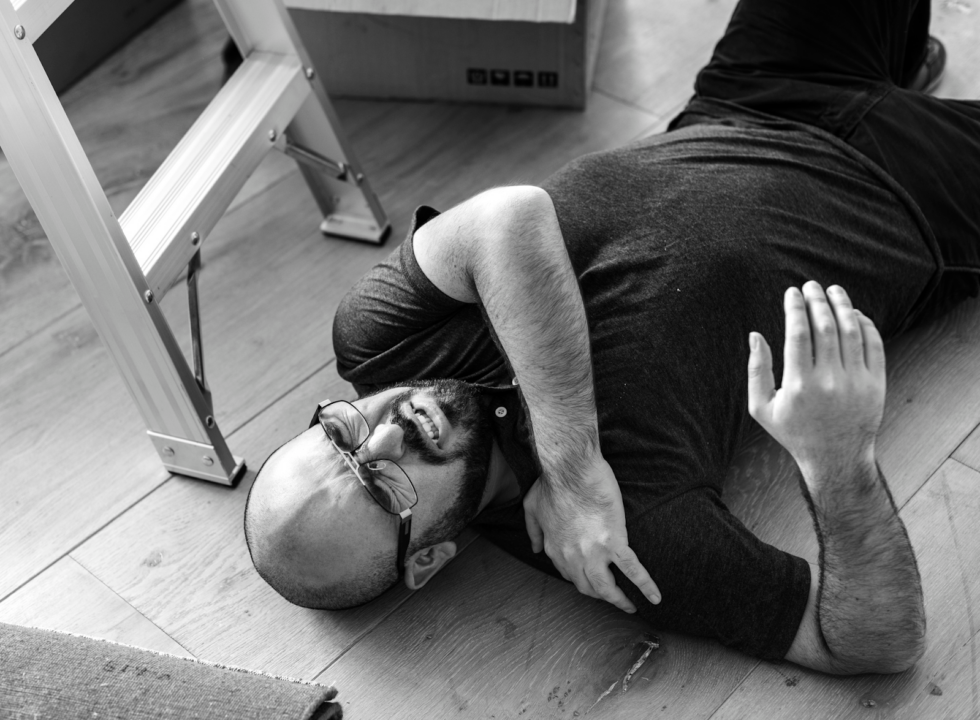
Initially, a fall may not appear very serious, particularly if the body’s adrenaline reaction prohibits the sensation of pain immediately. It is necessary to understand the cause of pain when there is delayed soreness after a fall. Understanding the reason can lead you to the potential injuries and help you with deciding whether to visit a doctor.
Let’s examine the ways in which the period between an injury and the occurrence of pain alters the situation, especially in the case of slip and fall injuries.
The Body’s Inflammatory Response
In the event of a fall or just a slip, the inflammatory process in the body usually takes place straight away. Healing is the most potent physical action the body can take to distract itself from a problem, and concurrently, it sets off the immune system. Pain, accompanied by inflammation, reddening, or overheating in the area, indicates that healing is taking place in the body. Telling your whole story to others seems like an unavoidable process since it can be a good way to handle your pain.
Sharing with your mates what happened can mean a lot to your emotional recuperation. It might prove difficult, but discussing your history may be both healing and supportive at the same time.
Muscle Strain and Delayed Onset Muscle Soreness
Muscle strains and delayed onset muscle soreness (DOMS) might not always be clearly felt straight away following accidents. This delay is the body’s reaction to the impact. You may not notice the soreness and stiffness until a day or two later, after the initial impact. Such an occurrence is a departure from the normal process of muscle healing, where there are small intricate ruptures in the muscles. The body’s swelling and pain are attributed to this delayed onset.
A fracture or broken bone is regarded as a grave medical issue. According to Lafayette personal injury lawyer Richard R. Kennedy, bone fractures occur when people experience extreme pressure or force of impact. The injuries from this incident can occur through vehicle collisions, slip and fall accidents, workplace incidents, or contact sports activities. Most of the individuals who experienced it express their emotions through complete incredulity and discouragement.
Recovery takes a long time. It’s a good idea to get help from your friends or professionals whenever you feel the need.
The Role of Nerve Damage and Sensitivity
The nerves of a person suffering a slip and fall accident might be injured. Nerve fibers may be triggered, which would consequently result in strange feelings like tingling or even an increase in the touch threshold on the skin. The feelings may be very annoying and could disrupt your usual routines. The healing time will require very careful watching of the body’s signals because these changes may be the first signs of nerve activity regaining strength.
Psychological Factors in Pain Perception
Physical injury comes to mind instantly after a fall, although psychosocial issues can also have a major effect on the way individuals function. A person’s emotional state will either enhance or diminish his pain. When anxious or feeling that events are putting pressure on their tissues, people feel pain worse, making them more sensitized to pain.
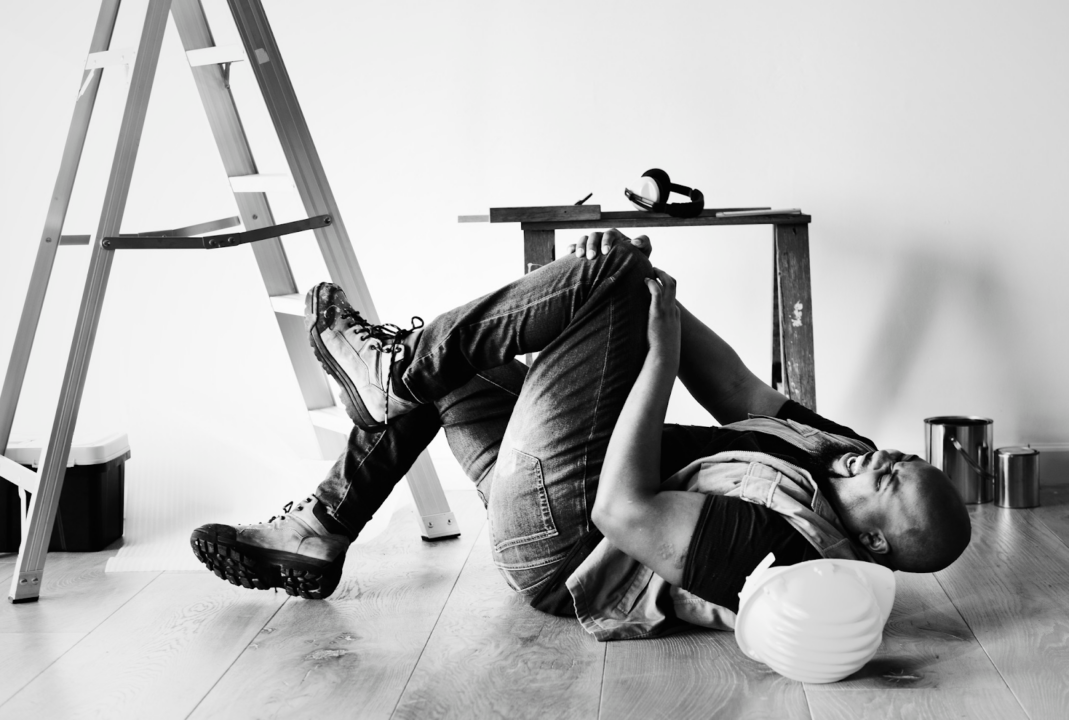
A supportive environment could mediate the experience of the pain constriction to a certain extent. Some form of social support helps in coping with the situation. Recognize that your feelings are an essential part of the pain perception process. Identifying these feelings together with the psychological factors is a very important step towards your recovery.
Strategies for Managing Delayed Soreness
Delayed soreness is a very real problem that can happen as a result of all the effort you have put in, and there is a way out for those who are ready to get rid of their suffering and to go back to their normal lives.
The first thing that you have to do is rest and get attuned to your body. Soft stretches will make stiffness disappear, so you will be more flexible.
Cold and heat therapy can be used on sore spots after exercising and then their effectiveness can be compared.
Fluid intake is more important than hydration from regular nourishment, as it will facilitate faster strides towards recovery.
OTCs could now have to assume they offer temporary relief. You need not heal in isolation. Stay connected and seek support, as you may find yourself in good company with others who share similar challenges in this complex journey.
See to it that you take care of yourself by pampering yourself and attending to your complete healing process.