
Accidents on the road are often blamed on drivers. But not every crash starts with a bad decision behind the wheel. Sometimes, the real problem lies in how roads are maintained or how public services operate on them.
From poorly managed infrastructure to mishandled city-run vehicles, government-linked failures can create serious risks for everyday drivers. The question is whether you can actually take legal action when that happens.
The answer is yes, but it comes with conditions. U.S. law allows claims against government entities in certain situations, though the process is more complex than suing a private party.
Understanding where responsibility lies is key.
When Poor Road Conditions Become a Legal Issue
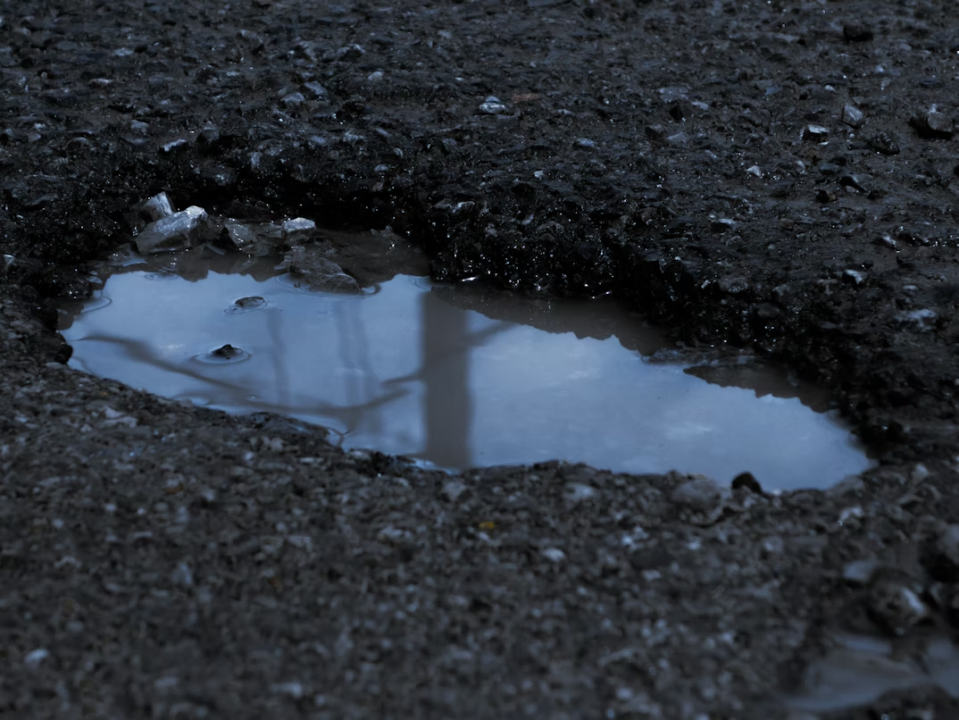
Governments are expected to maintain roads in a reasonably safe condition. This does not mean every crack or pothole creates liability. The key issue is whether a hazard was serious enough, and whether authorities failed to address it within a reasonable time.
A recent case in Chula Vista, California, brings this into focus. A family filed a lawsuit against the city after a fatal crash that they claim was linked to dangerous road conditions. According to the lawsuit, the roadway had known safety concerns that were not properly addressed. The case centers on whether the city had enough awareness of the risk and failed to act in time.
This is where road defects move from inconvenience to legal issue. A pothole or unsafe condition becomes legally relevant when it creates foreseeable danger and remains unaddressed. Claims often hinge on whether the condition existed long enough for authorities to detect and repair it.
In practice, this means that not all road-related accidents lead to liability. The law looks beyond the existence of the hazard and focuses on whether it was preventable through reasonable maintenance and oversight.
Why “Notice” Matters More Than the Hazard Itself
One of the biggest misconceptions about these cases is that a dangerous road automatically makes the government responsible. In reality, liability often hinges on something less obvious: notice.
To succeed in a claim, you typically need to show that the relevant authority knew, or should have known, about the problem. This could come from prior complaints, inspection records, or the fact that the issue existed for an extended period.
Take ongoing pothole problems in cities like New York as an example. Reports have highlighted repair backlogs and worker shortages, which can delay how quickly hazards are fixed. When potholes remain unaddressed for extended periods, it becomes easier to argue that authorities had enough time to act.
This is why two similar accidents can lead to very different outcomes. A long-standing pothole that goes unrepaired for weeks presents a stronger case than one that formed overnight. The law focuses less on the damage itself and more on whether there was a reasonable opportunity to prevent it.
For anyone considering legal action, this detail is critical. It shifts the focus from “what happened” to “what could have been prevented.”
When Government Vehicles and Services Cause Harm
Government responsibility doesn’t stop at road maintenance. It also extends to how public services operate in shared road spaces, including municipal vehicles, sanitation trucks, and contractors working for the city.
A recent case highlights this. In Toledo, a woman sued after a garbage truck’s mechanical arm tore open her parked pickup while her child was inside. The claim targets both the city and the private company involved, citing emotional distress and financial loss.
This expands the idea of negligence. The issue wasn’t a pothole or signal failure, but how a city-linked service operated in a public space. Under U.S. law, governments can be held accountable for employees and, in some cases, contractors.
This falls under vicarious liability. In such cases, legal guidance matters. According to Zoll & Kranz, Toledo car accident and injury lawyer, a seasoned attorney can help identify responsible parties, gather evidence, and handle strict filing requirements.
They also ensure claims are filed within deadlines and negotiate with insurers or government agencies. This can significantly improve the chances of fair compensation.
How U.S. Law Allows Claims Against Government Entities
Legal action against government entities is possible because of specific statutory frameworks. At the federal level, the Federal Tort Claims Act (FTCA) allows individuals to pursue compensation. It applies when injuries are caused by negligent acts of federal employees acting within the scope of their duties.
Before this law, sovereign immunity largely protected the federal government from lawsuits. The FTCA changed that by creating a structured pathway for claims. It allows individuals to hold the government accountable in situations where a private party would typically be liable under similar circumstances.
At the state and local level, similar laws exist. Each state has its own version of a tort claims act that outlines when cities and municipalities can be sued. These laws define the scope of liability, the types of claims allowed, and the procedures that must be followed.
Together, these frameworks establish an important principle: government entities are not entirely immune from responsibility. However, their liability is carefully controlled and subject to specific legal conditions.
FAQs
Can you take legal action against your local government for negligence?
Yes, you can take legal action against your local government if negligence caused harm, such as unsafe roads. However, special rules and shorter deadlines often apply. You may also need to file a formal notice of claim before starting a lawsuit.
Who is legally responsible for maintaining roads in your area?
Responsibility for road maintenance usually falls on local, state, or national government bodies, depending on the road type. Municipal authorities often handle local streets, while highways are managed at higher levels. Identifying the correct authority is essential before pursuing any claim.
How do you file a legal claim after a road-related accident?
To file a legal claim after a road-related accident, you should first gather evidence such as photos, reports, and witness statements. Next, notify the responsible authority or insurer within the required deadlines. Consulting a lawyer can help ensure proper filing and stronger case preparation.
The real takeaway is that accountability on the road goes beyond the driver. Taking legal action against a government entity is possible, but it depends on more than just proving harm. The success of a claim often comes down to whether the risk was preventable and whether authorities had a fair chance to address it.
From long-neglected potholes to incidents involving city-operated vehicles, the law looks closely at responsibility, timing, and oversight. While legal protections like sovereign immunity create additional hurdles, they don’t eliminate accountability altogether.
For individuals affected by these situations, understanding how these claims work is the first step. It helps in deciding whether pursuing action is worth it and can lead to a meaningful resolution.