
Getting into a car crash or getting hurt at work changes your life in a second. You might feel overwhelmed by medical bills and missed paychecks. Soon, an insurance adjuster will call you to talk about the event. They often sound friendly and helpful on the phone. It is helpful to know what to say before you pick up. Protecting your rights starts with understanding how the claims process works in our city. Taking the right steps now helps your recovery later.

https://unsplash.com/photos/a-person-standing-next-to-a-car-with-smoke-coming-out-of-it-ClmRtzGBFtU
Why Insurance Adjusters Act Quickly
Insurance companies move fast after a collision happens. They want to start the claims process before you have time to recover from the shock. A state law defines the authority of these professionals. According to the Washington State Legislature, an adjuster has the power to investigate and negotiate settlements on behalf of the insurance company. They want to settle before the full cost of your care is known. This helps the company save money on the total claim.
Adjusters are trained to look for inconsistencies in your story. If you say your back hurts one day but then say you feel okay the next, they might use that against you. They are professionals who deal with hundreds of cases every month. Their experience gives them an advantage during negotiations. You should be aware of this dynamic whenever you speak with them.
Understanding the True Value of Your Claim
The timing of your accident can change how insurance companies view your case. Data from the Washington State Department of Transportation shows that crash info for 2024 is not fully finalized until July 2025. This long wait time shows how much work goes into verifying every detail of a road incident. You should not feel rushed to sign a settlement before all the facts are in.
Avoiding Common Communication Mistakes
Adjusters often ask for a recorded statement shortly after the crash. When victims feel pressured, Tacoma personal injury attorneys often advise them to be careful with what they share early on. You should stick to the basic facts like the date and location of the incident. Taking your time helps you avoid making an error that could hurt your case later.
Strong Law helps victims navigate these complex conversations. They can speak to the insurance company on your behalf. This prevents you from saying something that could be taken out of context. Having a professional on your side gives you the space to heal without the stress of constant phone calls.
Road Safety Trends in the Tacoma Area
https://unsplash.com/photos/reduce-speed-road-signage-during-daytime-xFkO2AAKc3A
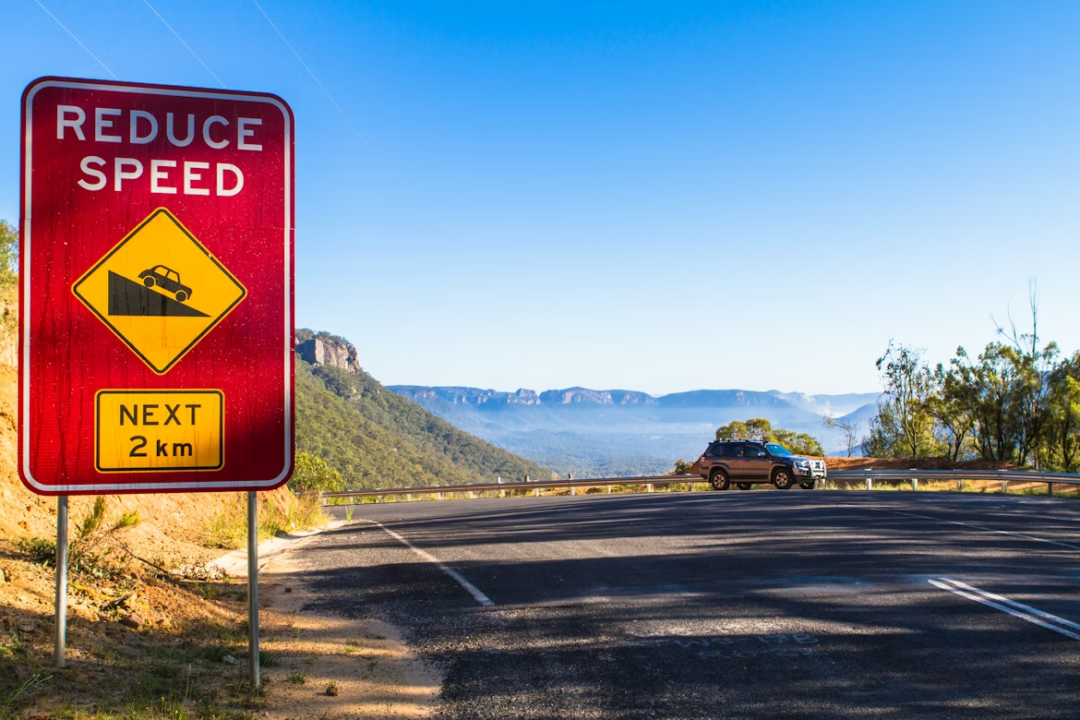
The state tracks how many people are hurt on our roads each year. A report from the Washington Traffic Safety Commission noted that 731 people died in traffic crashes in 2024. This was a 9.6 percent decrease from the year before. While fewer people are dying, the numbers are still quite high.
Speed and impaired driving remain the biggest causes of these tragedies. The state uses this data to decide where to put more police or safety signs. If you were hurt in a crash caused by a speeding driver, this state data supports the idea that speed is a major risk. Knowing these trends helps you explain why your accident was so dangerous.
Vulnerable Road Users and Local Risks
Some parts of our city are more dangerous than others for people walking or driving. A report on local road safety found that a specific high-risk network of streets is responsible for 59 percent of major injuries and deaths. Knowing if you were in one of these zones can help you understand the risks you face. It helps explain why certain intersections have more traffic cameras or lights.
The city uses this info to plan for better sidewalks and bike lanes. These zones often have more traffic, which leads to more collisions. If your injury happened in one of these areas, it is part of a larger pattern of safety issues. You should keep track of these things:
- The exact street name where the crash happened
- Any traffic lights that were not working
- The time of day and light levels
- Any road construction in the area
High-Risk Groups on Pierce County Roads
Certain drivers are involved in more accidents than others in our county. A safety plan from Pierce County mentioned that drivers aged 16 to 25 are involved in 33 percent of fatal and serious injury crashes. This is a large number for such a small group of drivers. Experience on the road makes a big difference in how people react to danger.
Younger drivers might be more likely to look at their phones or speed. If a young driver hit you, their lack of experience might be a factor in the case. The county is working on ways to teach better driving habits to this group. This data helps show that some accidents are preventable with better focus.
Legal Protections and Professional Standards
There are rules about how lawyers and insurance companies must handle their business. The Washington State Bar Association requires lawyers to report their professional liability insurance coverage every year. This helps protect clients if a mistake is made during a case. You have the right to know that your legal help is following the rules.
Insurance adjusters must also follow state standards for their licenses. A recent rule update from the Washington Insurance Commissioner made licensing requirements for adjusters clearer. These rules make sure that the people handling your claim have the right training. Knowing these standards helps you hold them accountable during the process. Try to gather these items:
- A list of all doctors you have seen
- Notes about how the injury affects your sleep
- Receipts for over-the-counter medicine
- Records of any help you had to hire for chores
Dealing with insurance companies is a major part of your recovery journey. You do not have to handle every phone call and document on your own. Taking the right steps early on helps you stay focused on getting better. Keep your records organized and take your time before making big decisions. Your health and financial stability are the most critical things to protect after an accident.