
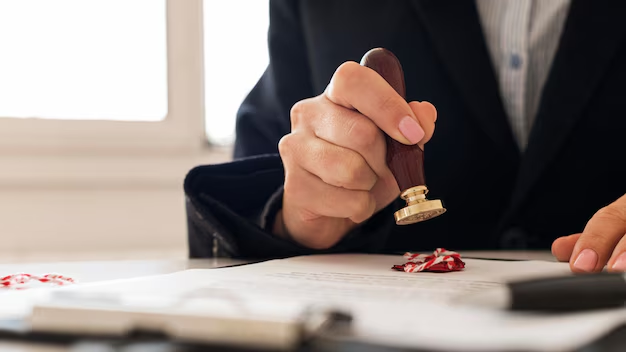
If you are planning to move abroad, apply for dual citizenship, or use U.S. documents in a foreign country, there is a good chance you have come across the word “apostille.” It sounds complicated, and honestly, the process can be. But once you understand what is involved, you can decide whether to handle it yourself or let someone else take the wheel.
This guide walks you through both options so you can make the best decision for your situation.
What Is a Federal Apostille, Anyway?
An apostille is a form of authentication recognized by countries that are members of the Hague Convention (which covers over 120 countries). When a foreign government asks for an apostilled document, they want proof that your document is genuine and was issued by a legitimate U.S. authority.
A federal apostille specifically applies to documents issued by federal agencies. The most common ones include:
- FBI Background Check (Identity History Summary)
- Naturalization Certificates
- FDA and USDA certificates
- Patents and Trademarks
- Federal Court Records
- National Archives (NARA) documents
For these documents, the apostille is issued by the U.S. Department of State in Washington, D.C. That is important to know because it means you are not dealing with a local county clerk or state office. You are dealing with the federal government directly.
Option 1: DIY Federal Apostille (The Mail-In Route)
Yes, you can absolutely do this yourself. Here is what the process looks like:
Step 1: Obtain Your Federal Document
If you need an FBI Background Check, you first need to request one through the FBI’s Identity History Summary program. You can do this online, by mail, or through a channeler service. Processing times vary, but mail-in requests often take several weeks just to get the background check itself.
Step 2: Prepare Your Submission
Once you have your document, you need to prepare a submission package for the U.S. Department of State. This includes:
- A cover letter specifying the country where the document will be used
- The original document (or a certified copy, depending on the document type)
- The correct payment (a fee per document, currently $20 per apostille as of this writing)
- A self-addressed return envelope, or prepaid shipping label
Step 3: Mail Everything to Washington, D.C.
You mail your package to the Office of Authentications at the U.S. Department of State. Then you wait.
How Long Does DIY Take?
This is where things get painful. The mail-in route typically takes 2 to 3 months, sometimes longer depending on backlogs. You are also relying on the postal service to deliver your original documents safely in both directions, which introduces real risk.
What Can Go Wrong with DIY?
Plenty, unfortunately:
- Incorrect cover letter format can result in your submission being rejected and returned
- Wrong payment amount causes delays and returns
- Lost or delayed mail is a genuine risk when mailing original government documents
- No tracking or status updates while your documents sit in a government processing queue
- Rejection for avoidable reasons, such as submitting the wrong type of document or missing a signature
- Turnaround time is unpredictable, which is a serious problem if you have visa deadlines or travel dates
If you have plenty of time, no hard deadlines, and you are comfortable navigating government submission requirements, DIY is technically doable. But for most people, the combination of wait time, risk, and complexity makes it genuinely stressful.
Option 2: Using a Federal Apostille Service
This is where a professional service comes in. Rather than managing the entire process yourself, you hand off the document preparation, submission, and tracking to a team that does this every day.
One service worth knowing about is FederalApostille.com, which specializes specifically in federal apostilles (not just state documents). Here is how their process works:
Step 1: Pay Online and Upload Your Document
You complete a secure online checkout and then upload your document through their client portal. The team reviews it before submitting to make sure everything is in order, which is one of the biggest advantages over DIY.
Step 2: They Handle the Submission
FederalApostille.com submits documents in person to the U.S. Department of State in Washington, D.C. In-person submission is significantly faster than mail-in, which is a key reason why turnaround times are so much quicker.
Step 3: You Receive Your Apostille
You get high-quality scans via email in approximately 10 business days, and your original apostilled document is shipped back to you with tracking included.
The flat-rate pricing is $149, which includes all government fees. There are no hidden surcharges or surprise add-ons.
Why This Approach Makes Sense for Most People
When you break it down, the value of using a service like FederalApostille.com is not just about convenience. It is about:
Time savings: 10 business days vs. 2 to 3 months. If you have an immigration deadline, a job offer, or a citizenship application pending, that difference is enormous.
Risk reduction: Your documents are handled by professionals who know the exact requirements for each document type and country. Submission errors are caught before they happen, not after.
Cost efficiency: At first glance, paying $149 might seem like more than doing it yourself. But when you factor in the government fee ($20+), certified mailing costs (both directions), and the very real possibility of having to resubmit after a rejection, the cost of DIY adds up quickly. And that does not even account for the cost of your time.
Scans included: You get digital copies of your apostilled document, which is useful if the foreign institution needs a copy before the originals arrive.
Peace of mind: For something as important as immigration paperwork or dual citizenship applications, knowing the job is being handled correctly has genuine value.
Which Option Is Right for You?
Here is a simple way to think about it:
Go DIY if:
- You have 3 or more months before you need the document
- You are comfortable with government submission requirements
- You do not mind mailing original documents and waiting with no updates
- Budget is the only consideration
Use a service if:
- You have a deadline (visa application, citizenship, employment abroad)
- You want a fast, reliable turnaround (10 business days)
- You want to avoid the risk of rejection or lost documents
- You want someone to review your document before it gets submitted
- You want scans emailed to you immediately upon completion
For most people dealing with time-sensitive international paperwork, the service route simply makes more sense. The difference in turnaround time alone (10 days vs. 2 to 3 months) is enough to justify it.
Final Thoughts
Getting a federal apostille does not have to be a nightmare, but it does require attention to detail and an understanding of how the U.S. Department of State handles these requests. The DIY route is possible but slow and unforgiving of mistakes. A specialized service like FederalApostille.com offers a dramatically faster path with built-in error checking, flat-rate pricing, and a team that handles federal documents specifically.
If your documents need to be accepted abroad, the last thing you want is a rejection letter from a government office setting you back another 60 days. Getting it right the first time is almost always worth it.