
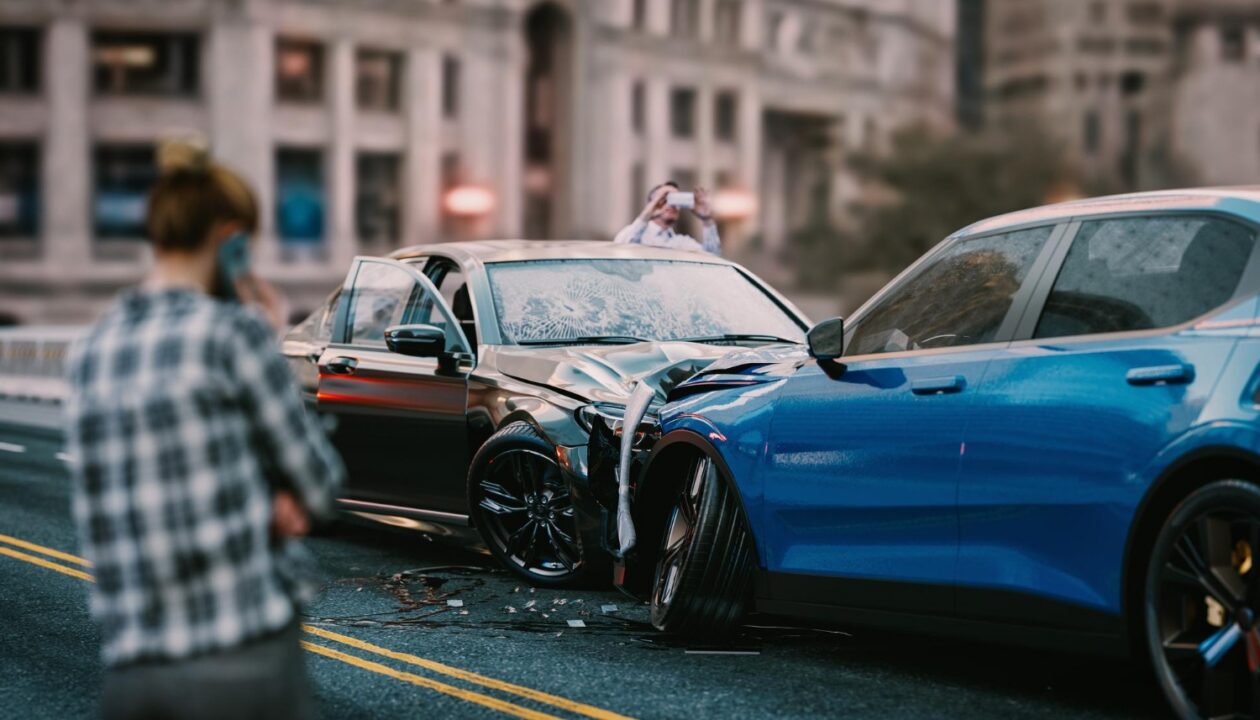
New York City’s streets are among the busiest and most complex traffic environments in the United States. With millions of residents, constant tourist activity, dense commercial traffic, and an ever-growing number of rideshare vehicles, the city’s roadways operate under intense daily pressure. From narrow Manhattan avenues to crowded Brooklyn intersections, drivers must navigate an environment where congestion, pedestrians, cyclists, and delivery vehicles all compete for space.
Unsurprisingly, car accidents occur frequently under these conditions. While some collisions are unavoidable, many arise from identifiable patterns and behaviors. Understanding the most common causes of accidents in New York City can help drivers become more aware of risks and potentially avoid dangerous situations.
The Legal Aftermath of Serious Collisions
When car accidents occur in New York City, the consequences can extend far beyond vehicle damage. Victims may face medical expenses, lost income, and long-term rehabilitation if injuries are involved.
Determining liability in these situations often requires careful analysis of evidence, including police reports, traffic camera footage, and witness statements. Because multiple parties may be involved, such as other drivers, rideshare companies, or commercial vehicle operators, cases can become complex.
For individuals dealing with serious injuries or disputed liability, consulting experienced professionals such as the NYC car accident attorneys at Parker Waichman can help clarify legal rights and available options following a collision. Legal guidance can assist accident victims in navigating insurance claims, gathering evidence, and pursuing compensation when another party’s negligence contributed to the crash.
Distracted Driving
One of the most significant contributors to modern traffic accidents is distracted driving. With smartphones, navigation apps, and digital entertainment systems now integrated into daily life, drivers often divide their attention between the road and their devices.
Even a momentary distraction can have serious consequences. Looking down at a phone for a few seconds while traveling through a busy intersection can mean missing a sudden stop, a pedestrian crossing, or a vehicle changing lanes. In dense urban areas where traffic conditions change rapidly, full attention is essential.
New York State has implemented strict laws prohibiting handheld phone use while driving, but enforcement alone cannot eliminate the risk. Drivers must remain aware that cognitive distractions, such as conversations or adjusting navigation systems, can be just as dangerous as texting.
Congested Traffic and Aggressive Driving
Traffic congestion is a defining feature of New York City. During peak hours, roads become crowded with commuters, delivery trucks, taxis, and buses, all attempting to move through limited street space.
In these conditions, frustration can lead to aggressive driving behaviors. Drivers may tailgate, change lanes abruptly, or accelerate quickly to gain small advantages in traffic flow. These behaviors increase the likelihood of rear-end collisions and sideswipe accidents.
Aggressive driving also reduces the margin for error. When vehicles travel too closely together, drivers have less time to react if traffic slows suddenly. In a city where stop-and-go traffic is common, maintaining a safe following distance becomes especially important.
Failure to Yield to Pedestrians
New York City is one of the most pedestrian-heavy urban areas in the country. Every day, millions of people cross streets on foot, often navigating busy intersections filled with turning vehicles.
While traffic signals and crosswalks are designed to regulate these interactions, accidents still occur when drivers fail to yield properly. Some drivers attempt to turn quickly through intersections before pedestrians complete their crossing, while others may simply overlook individuals entering crosswalks.
The New York City Department of Transportation (NYC DOT) has repeatedly emphasized pedestrian safety through initiatives such as Vision Zero, a program designed to reduce traffic-related injuries and fatalities. Despite these efforts, pedestrian-related collisions remain a serious concern.
Speeding on Urban Roads
Speeding is another common factor in car accidents throughout New York City. Although city speed limits are typically lower than those on highways, drivers sometimes exceed them in an effort to move through traffic more quickly.
Higher speeds reduce the amount of time drivers have to respond to unexpected situations. On crowded streets, where pedestrians, cyclists, and vehicles constantly interact, even small increases in speed can dramatically raise the risk of collisions.
Speeding also increases the severity of accidents when they occur. The faster a vehicle travels, the greater the force involved in a crash, which can result in more serious injuries and vehicle damage.
Rideshare and Delivery Traffic
Over the past decade, the rapid growth of rideshare services and on-demand delivery platforms has added new layers of complexity to city traffic.
Drivers working for these services often make frequent stops, pick up passengers in busy areas, or navigate unfamiliar routes while following GPS instructions. These conditions can create unpredictable traffic patterns, including sudden stops or lane changes.
Additionally, many rideshare and delivery drivers operate under time pressure, attempting to complete as many trips or deliveries as possible. This pressure can increase the likelihood of rushed decisions behind the wheel.
Poor Weather Conditions
Weather can significantly affect driving safety in New York City. Rain, snow, and ice reduce visibility and make roads more slippery, increasing the difficulty of maintaining vehicle control.
Urban environments present additional challenges during bad weather. Drainage systems may become overwhelmed during heavy rain, creating standing water on roads. Snow accumulation can narrow lanes or obscure traffic markings.
Drivers who fail to adjust their speed or driving behavior during adverse weather conditions increase the risk of collisions.
Impaired Driving

Despite decades of public safety campaigns, impaired driving continues to contribute to serious accidents nationwide. Alcohol and drug use can impair judgment, slow reaction times, and reduce a driver’s ability to maintain control of a vehicle.
New York enforces strict laws against driving under the influence, yet impaired driving remains a factor in many severe accidents. Law enforcement agencies and safety organizations continue to emphasize the importance of responsible decision-making before getting behind the wheel.
Complex Intersections and Urban Road Design
New York City’s street network includes many complex intersections, particularly in older neighborhoods where roads developed long before modern traffic planning standards.
Some intersections involve multiple turning lanes, unusual traffic signal patterns, or heavy pedestrian crossings. Drivers unfamiliar with these layouts may hesitate or make sudden maneuvers, increasing the likelihood of accidents.
Construction zones also add temporary changes to traffic flow. Lane closures, detours, and altered signal timing can create confusion if drivers are not paying close attention.
Promoting Safer Streets
Improving traffic safety in New York City requires a combination of responsible driving, effective infrastructure design, and public awareness. Programs like Vision Zero aim to reduce traffic fatalities through street redesigns, improved signage, and stricter enforcement of traffic laws.
Drivers also play a critical role. Staying attentive, obeying speed limits, and respecting pedestrian right-of-way can significantly reduce accident risks.
As traffic patterns evolve with new technologies and transportation services, maintaining a culture of safe driving becomes increasingly important for protecting everyone who shares the road.
Car accidents in New York City result from a variety of factors, including distracted driving, congestion, speeding, and the complexities of urban traffic. While the city’s roads present unique challenges, many accidents are preventable when drivers remain attentive and cautious.
By understanding the most common causes of collisions, motorists can better anticipate risks and adopt safer driving practices. In a city where millions rely on shared roadways every day, even small improvements in driver awareness can contribute to safer streets for drivers, pedestrians, and cyclists alike.