
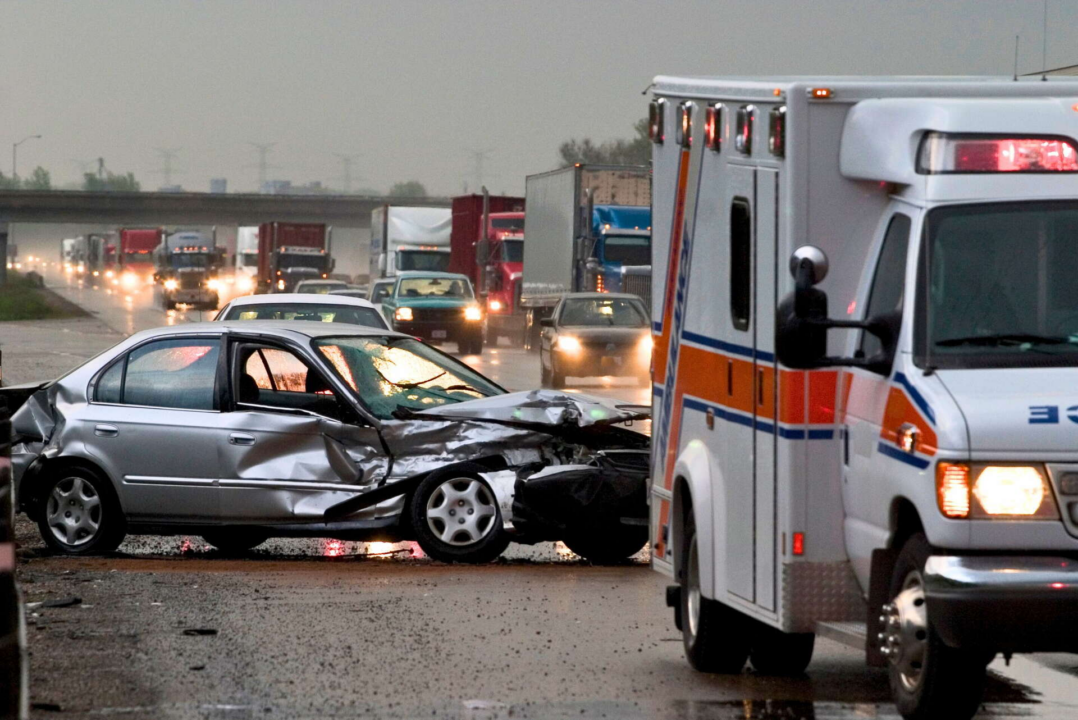
Nothing prepares you for your first car accident. One second you are driving normally and the next you hear the crunch of metal, your body jerks against the seatbelt, and everything around you goes still. Your hands shake. Your thoughts race. You have no frame of reference for what just happened, and absolutely no idea what to do next.
The National Highway Traffic Safety Administration reports roughly 6.7 million police-reported crashes per year in the United States. Studies suggest the average driver will be involved in three to four accidents over a lifetime, and approximately 77% of drivers will experience at least one. If you have made it this far without a crash, the odds say your turn is coming.
When it arrives, the decisions you make in the first few minutes and the first few days will shape everything that follows: your medical recovery, your insurance payout, and your legal rights. This guide covers exactly what to do after your first car accident so you do not make the mistakes that cost first-timers the most.
The First 10 Minutes After Impact
Your body floods with adrenaline immediately after a collision. That chemical surge masks pain, distorts your sense of time, and makes you feel like you need to move fast. Fight that urge. Moving too quickly after a crash can worsen injuries you cannot feel yet, and it can cause you to skip steps that matter later.
Check yourself for injuries first. Run your hands over your neck, chest, and legs. Look for blood. Test whether you can move your fingers and toes. If anything feels wrong, stay where you are and wait for emergency medical services.
Call 911. Even if the accident seems minor, get a police report on the record. Officers document the scene, collect driver information, and note visible damage while everything is fresh. In many states, failing to report an accident involving injuries or property damage above a certain threshold is a legal violation. More importantly, an official police report becomes a critical piece of evidence if an insurance dispute arises later.
Do not admit fault. This is the single most common mistake first-time accident victims make. In the shock of the moment, people say things like “I’m so sorry” or “I didn’t see you” without thinking. These statements can be used against you by the other driver’s insurance company. You do not yet know the full picture of what happened. Cameras, witnesses, road conditions, and vehicle data may tell a different story than your adrenaline-fueled first impression.
Exchange information with the other driver. Get their name, phone number, insurance company, policy number, license plate number, and driver’s license number. Give them yours. Keep the conversation brief and factual. Do not discuss who caused the accident.
Document everything with your phone. Take photos of all vehicle damage from multiple angles, the position of the vehicles in the road, skid marks, debris, traffic signs, traffic signals, road conditions, and any visible injuries. If there are witnesses, ask for their names and phone numbers. This takes three minutes and can be worth thousands of dollars later when an insurer tries to dispute your version of events.
Why You Need Medical Attention Even If You Feel Fine
Adrenaline is a painkiller. After your first car accident, you may walk away feeling shaken but physically okay. That does not mean you are uninjured.
Soft tissue injuries like whiplash, muscle strains, and ligament tears commonly take 24 to 72 hours to produce symptoms. Concussions can present delayed symptoms including headaches, dizziness, confusion, and sensitivity to light. Herniated discs may not cause noticeable pain until inflammation builds over several days. Internal bleeding can be slow and symptom-free until it becomes life-threatening.
Getting examined by a doctor within 24 hours of the accident accomplishes two things. It protects your health by catching injuries early, and it creates a medical record that directly links your symptoms to the crash. Without that documentation, insurance companies will argue that your injuries happened somewhere else or that you were not hurt badly enough to seek prompt treatment.
If you go to the emergency room, tell the physician exactly how the accident happened and describe every symptom, no matter how minor. Mention headaches, stiffness, tingling, soreness, dizziness, and anything that feels different from normal. All of it belongs in the medical record.
How to Handle the Insurance Process After Your First Accident
The days following your first car accident will bring phone calls from insurance adjusters. If the other driver was at fault, their insurance company may contact you directly. Your own insurer will also want a statement. Both conversations require caution.
Report the accident to your own insurance company promptly. Most policies require timely notification. Give them the basic facts (when, where, and what happened) but keep it concise. Stick to what you know for certain. Do not speculate about fault, do not downplay your injuries, and do not exaggerate them.
Be careful with the other driver’s insurance company. Their adjuster works for the company that will have to pay your claim. They are trained to ask questions that minimize your injuries or shift fault onto you. Common tactics include asking for a recorded statement before you have seen a doctor, requesting broad medical record authorizations that let them dig through your entire health history, and making a quick settlement offer before you understand the full extent of your injuries.
You are not required to give a recorded statement to the other driver’s insurer. You are not required to accept their first offer. And in most cases, their first offer will be significantly lower than what your claim is actually worth.
Do not accept a settlement before reaching maximum medical improvement. This is the point where your doctor determines that your condition has stabilized and further treatment will not produce significant additional recovery. Settling before that point means you are guessing at your future medical costs, and you will almost certainly guess too low. Once you sign a release, you cannot go back for more money if your injuries turn out to be worse than expected.
When Your First Accident Becomes a Legal Case
Not every car accident requires a lawyer. If the damage is minor, nobody is injured, and the insurance company handles the claim fairly, you may be able to resolve things on your own.
But your first accident becomes a legal case when any of the following are true. You suffered injuries that required medical treatment beyond a single emergency room visit. The other driver was uninsured or underinsured. The insurance company denied your claim or offered a settlement that does not cover your actual losses. Fault is disputed and the other driver or their insurer blames you for the crash. You missed work due to your injuries and lost income. The accident involved a commercial vehicle, a government vehicle, or multiple parties.
In these situations, working with a car accident lawyer levels the playing field. Attorneys handle communication with adjusters, gather evidence to prove liability, calculate the full value of your claim including future medical costs and lost earning capacity, and negotiate settlements based on what your case is actually worth rather than what the insurer wants to pay.
Most personal injury lawyers work on contingency, meaning they charge nothing upfront and take a percentage of your settlement only if they win. For someone going through their first car accident with no legal experience, this removes the financial risk of getting professional help.
The Mistakes First-Time Accident Victims Make Most Often
People who have never been in an accident tend to make the same errors. Knowing what they are ahead of time can save you from making them yourself.
Waiting too long to see a doctor. Every day between the accident and your first medical visit gives the insurance company ammunition to argue your injuries are not related to the crash.
Posting about the accident on social media. Insurance adjusters search social media for anything they can use against you. A photo of you smiling at a family event the weekend after your crash can be presented as evidence that you are not really injured. Do not post about the accident, your injuries, or your daily activities while a claim is pending.
Accepting the first settlement offer. Insurance companies make low initial offers because many first-time accident victims do not know their claim is worth more. The adjuster is counting on your inexperience.
Not understanding the statute of limitations. Every state sets a deadline for filing a personal injury lawsuit. In some states it is one year, in others it is two or three. Missing this deadline permanently eliminates your right to sue, regardless of how strong your case is. Knowing when to consult a personal injury lawyer and understanding your state’s specific filing deadline is critical.
Giving too much information to the other driver’s insurance company. Anything you say can and will be used to reduce your payout. Keep conversations short, factual, and limited to the basics.
What Your First Car Accident Actually Costs
The financial impact of a first car accident catches most people off guard. Beyond the obvious vehicle repair or replacement costs, accident victims face emergency room bills that average $3,300 or more, follow-up treatment costs for physical therapy, imaging, and specialist visits, prescription medication costs, lost wages during recovery, rental car expenses while your vehicle is being repaired, increased insurance premiums that can last three to five years, and out-of-pocket deductibles.
When injuries are serious, the costs escalate dramatically. The average hospitalization after a car accident exceeds $57,000 according to the Centers for Disease Control and Prevention. Spinal injuries, traumatic brain injuries, and multiple fractures can generate six-figure medical bills within weeks.
This is why settling too early is dangerous. If you accept a $5,000 check from an insurance company three weeks after the crash and then discover you need spinal surgery six months later, you have no legal recourse. The release you signed closed your claim permanently.
The Emotional Side Nobody Warns You About
Your first car accident does not end when the vehicles are towed and the paperwork is filed. Many first-time accident victims experience anxiety behind the wheel for weeks or months afterward. Flashbacks triggered by sudden braking, loud noises, or intersections that resemble the crash scene are common. Difficulty sleeping, irritability, and difficulty concentrating are also reported frequently.
These are normal responses to a traumatic event, and in some cases they develop into diagnosable conditions like post-traumatic stress disorder. If you notice that your emotional state is interfering with your ability to drive, work, or function normally in the weeks after the accident, tell your doctor. Psychological treatment is a compensable damage in personal injury claims, and documenting it strengthens your case.
Moving Forward After Your First Crash
Your first car accident is disorienting, expensive, and emotionally draining. But the outcome depends almost entirely on the choices you make in the immediate aftermath. Document the scene. See a doctor within 24 hours. Report the accident to your insurer without saying too much. Do not accept a quick settlement. Understand your legal rights and your state’s filing deadlines.
Most people go through their first crash with no preparation and no guidance. The ones who protect themselves best are the ones who treat it like the serious legal and financial event it is, not a minor inconvenience that will sort itself out.