
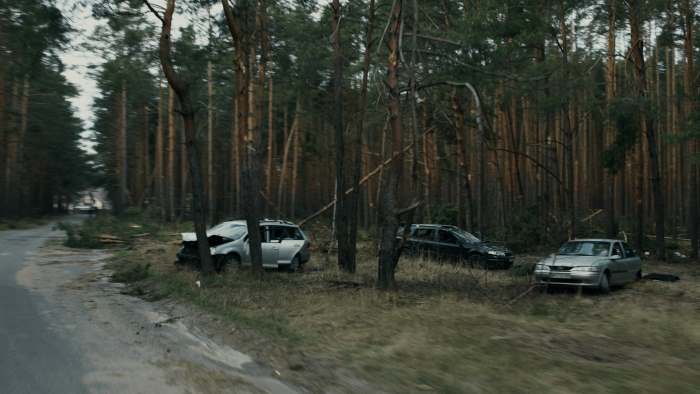
A car accident can suck the breath out of your lungs, quite literally. It catches us unaware, sometimes embroiling even the most cautious drivers. The US CDC reports that road traffic crashes lead to over 40,000 deaths every year.
While financial compensation can only do so much in helping you to look beyond the trauma, it is essential for medical treatment and emotional rehabilitation. Without an adequate insurance payout, many of us would struggle to get the help we need in such situations, from hospital bills to physical therapy and ongoing outpatient procedures.
Did you know that the way you respond to a car accident in the immediate hours and days after it occurs impacts the eventual compensation you can expect? Knowing how to proceed with caution will help you avoid making unwitting mistakes in these difficult situations.
1. Rushing to Accept an Early Settlement
In the immediate hours after a car accident, your decision-making abilities are suboptimal. You may also be facing sudden medical expenses that seem overwhelming but urgent.
Some insurance companies offer early settlements to help you handle immediate concerns. Without doubt, it is tempting to accept them. However, doing this can be a mistake.
Often, early settlements tend to be lower than you rightfully deserve. Moreover, accepting them shuts your case for good.
Recently, legal scholars have noted how many insurers appear to follow a delay, deny, and defend approach. When Hurricane Ian struck Florida, some companies tried to limit insurance payouts by changing the work of adjusters who inspected the damaged homes.
What’s stopping them from rushing to close these claims early so the claimant cannot go back and ask for further help?
In car accidents, symptoms of physical injury and mental health issues often manifest after some time has passed. You will have no help with handling them since your file has been closed.
2. Not Balancing Comparative Fault
What if you were also partly to blame for the car accident? In many cases, the fault does not rest solely with one person but involves multiple factors, from weather conditions to automotive faults.
In some US states, such as Washington, your compensation decreases according to the degree of your responsibility in the accident. Many insurance firms take advantage of this and assign more blame to you when you get injured in a car accident. That way, the compensation they must pay is reduced.
Strictly avoid making blanket statements about your responsibility in the situation without an expert’s guidance. Vague early statements and ambiguous descriptions become opportunities for opportunistic insurers to come out with heavier pockets.
Freeman Law Firm recommends strengthening your case with photos of the scene and witness statements. These early records help you build a robust case that warrants commensurate compensation.
3. Venting on Social Media
This is probably the most innocuous response that we don’t realize can be damaging for insurance claims.
Many of us have become habituated to posting on social media when surprising or shocking things occur. These could be posting a photo of an accident scene on our WhatsApp status or going live on Instagram to share the developments with followers.
The BBC reports that an uncurated documentary of human life is especially common on YouTube, even if such content does not conform to the orchestrated virality of slick influencer and corporate videos. Gradually, most content falls prey to hate speech and comments sections full of misinformation.
For insurance firms, tracking social media posts is hardly unusual. In fact, one can argue that it is the norm, not an exception. Sharing information related to your accident on public forums gives them the opportunity to play down your claims and make counterarguments.
For example, they may argue that if you were well enough to post on Instagram, your pain levels must not have been severe. It sounds petty and cruel, but everything goes when the stakes are high.
It is best to refrain from posting about your accident on social media, even if your objective was only to vent and reach out to friends. It is also worth considering maintaining a low profile on the internet in the months after the incident and before the payout is finalized.
Being in a car accident or seeing a loved one in its aftermath can be highly unsettling. It exposes you to the harsh unpredictability of life, where your entire world can become topsy-turvy in barely a moment.
Having financial help in these circumstances goes beyond paying medical bills. It is your support system to recenter yourself and find a semblance of balance amid the chaos. Carelessness in early conduct is a legitimate risk when you are frazzled and shocked. Don’t let other parties take undue advantage and deprive you of the help you deserve.