
A car purchase is one of the largest financial decisions most people make outside of buying a home. Yet the car-buying process is also one of the most fertile grounds for consumer fraud. Dealerships hold a significant information advantage over buyers — they know the vehicle’s full history, its actual cost, and the terms of available financing. When they exploit that advantage through deception, buyers can find themselves trapped in a bad deal with little idea of what went wrong or what their options are.
Auto dealer fraud covers a wide range of deceptive practices, and recognizing them is the first step toward knowing when to take action.
Misrepresentation of Vehicle History
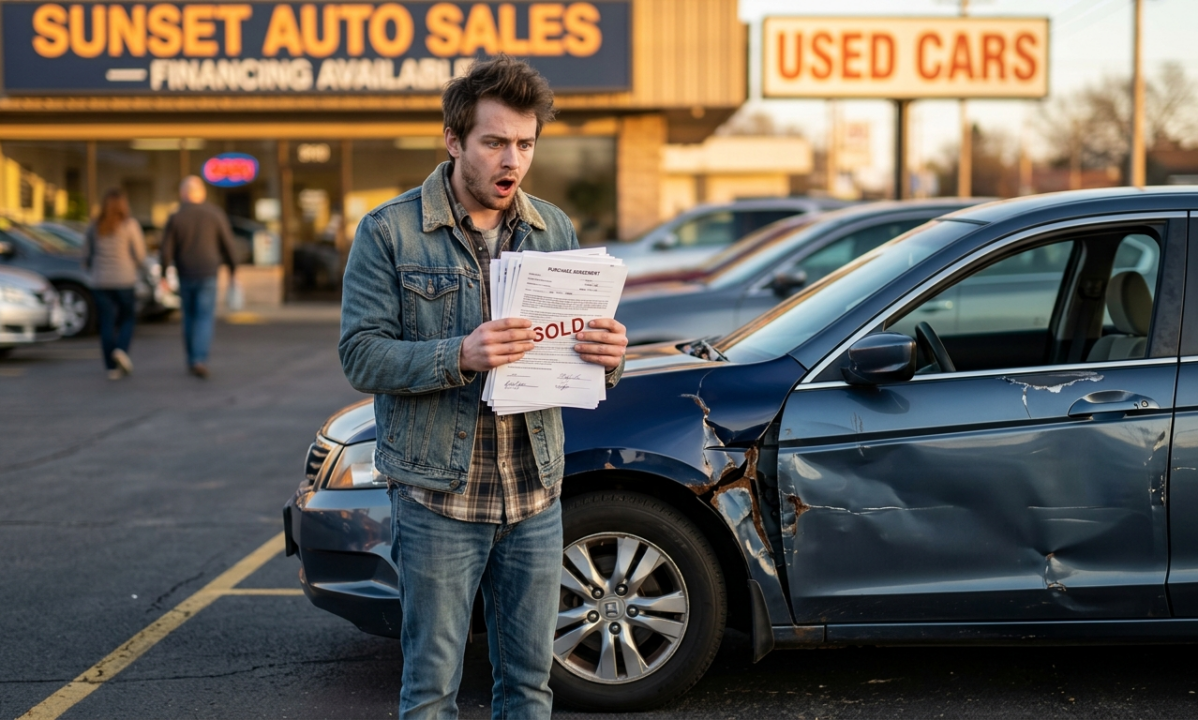
The most common form of dealer fraud involves misrepresenting what a car has been through before it reaches the lot. This can mean selling a vehicle that was previously in a serious accident, with a repaired but structurally compromised frame damage as a “clean” car. It can also mean concealing flood damage, prior use as a rental vehicle, or a previous salvage title. These are material facts that affect both safety and resale value, and dealers are legally obligated to disclose them.
Odometer Fraud
Odometer tampering — rolling back a vehicle’s mileage display — is a federal crime under the Federal Odometer Act, and it is also actionable under state consumer protection laws. Victims of odometer fraud can typically recover damages that include the difference in actual versus represented value, and in many cases, attorneys’ fees are recoverable as well. Vehicle history reports can help surface discrepancies, but not all rollbacks leave a clear paper trail.
Yo-Yo Financing and Contract Manipulation
Yo-yo financing occurs when a dealer lets a buyer drive the car home before financing is truly secured, then calls days later claiming the loan terms changed. The buyer, already attached to the vehicle, is pressured into signing a new, less favorable contract. This tactic is specifically prohibited in many states when dealers fail to make required disclosures about their right to cancel. Similarly, hidden add-ons — warranties, protection packages, or dealer fees buried in contracts — can inflate the final purchase price without the buyer’s meaningful consent.

Your Legal Options
Depending on the facts, victims of auto dealer fraud may be entitled to rescission of the contract (meaning the dealer takes the car back and refunds all money paid), compensation for financial losses, and, in some cases, additional damages under consumer protection statutes. Attorneys’ fees are often recoverable under these laws, which means many fraud victims can pursue a claim without upfront legal costs.
If you or someone you know suspects they were defrauded during a vehicle purchase, the experienced team at Auto Law Firm, PC, offers free case reviews and can help determine whether a valid claim exists.