
Once your suspension period ends, your license doesn’t just turn back on automatically. Maryland requires an actual application and approval process, and getting a step wrong, or assuming you’re clear to drive before you actually are, can turn a finished suspension into a new violation. Here’s what the process genuinely involves.
Reinstatement Is Not Automatic
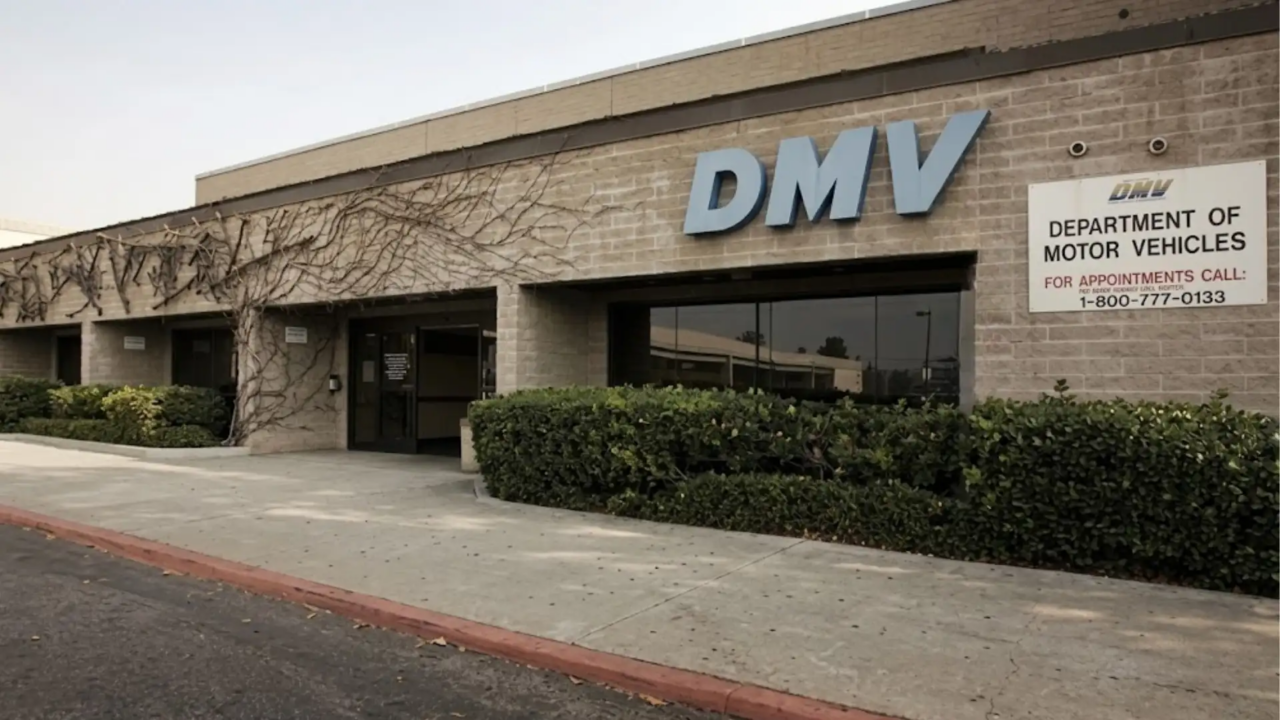
This is the detail that catches people off guard most. Once your suspension period is technically over, your license doesn’t reactivate on its own. You have to apply to the MVA and receive approval, and in the meantime, driving before your official reinstatement date is still driving on a suspended license, with all the consequences that carries. Don’t assume; confirm your status with the MVA directly before getting back behind the wheel.
What the Process Actually Requires
Generally, you’ll need to:
- Submit a reinstatement application to the MVA
- Pay the required reinstatement fee (see the note above about why we’re not quoting a single number with false confidence)
- Provide proof of SR-22 insurance if your suspension involved a DUI, DWI, or driving without insurance
- Complete any required alcohol education program or treatment, if that was part of your case (see our guide to DUI school and alcohol education requirements)
- Pay any outstanding fines connected to the underlying case
- In some cases, retake the written knowledge test, vision test, or driving skills test
Which of these apply to you depends on why your license was suspended and how long the suspension lasted. A short administrative suspension typically involves fewer hurdles than a longer suspension or an outright revocation.
Suspension vs. Revocation: Not the Same Reinstatement Path
These terms get used loosely, but they matter here. A suspension is temporary and tied to a defined period. A revocation is more serious and doesn’t have a fixed end date the same way; you have to actively apply for reinstatement once eligible, and Maryland scales the required waiting period based on how many times your license has been revoked before: roughly 6 months after a first revocation, 12 months after a second, and 18 months after a third. If your license was revoked rather than suspended, confirm which category applies to you, since the path back looks different.
What Happens if the MVA Denies Your Reinstatement Request
This is a possibility most explanations skip entirely. If the MVA denies your application, you have the right to appeal to the Office of Administrative Hearings (OAH). Your denial letter will include instructions for filing that appeal, and a separate OAH filing fee applies on top of whatever you’ve already paid toward reinstatement. Knowing this in advance means a denial doesn’t have to feel like a dead end; it has a defined next step.
The SR-22 Requirement, and Why It Outlasts the Suspension Itself
If your case required SR-22 insurance, that requirement typically continues well past your reinstatement date, often for several years. Letting an SR-22 policy lapse during that window can restart the clock on the entire requirement, which is a costly mistake to make after you’ve already gotten your license back. Budget for this as an ongoing cost, not a one-time step.
Two Ways Your Case Might Avoid This Process Entirely
If your case resulted in a Probation Before Judgment rather than a conviction, you may avoid MVA suspension notification altogether, which is one of several reasons PBJ is worth pursuing where it’s available. We cover this in our guide to Maryland DUI penalties. Separately, Maryland’s Noah’s Law ignition interlock program can, in some circumstances, let you keep driving with restrictions instead of serving a full suspension at all. If avoiding a suspension altogether matters more to you than avoiding the interlock requirement, this is worth discussing with your attorney early. See our guide to ignition interlock devices in Maryland for how that program actually works.
Can a Lawyer Help With Reinstatement Specifically?
The reinstatement process itself is largely administrative, but the underlying case, whether you got a straight suspension, a revocation, or qualified for an interlock alternative, is shaped by decisions made much earlier in your DUI case. An attorney’s influence on your reinstatement timeline mostly happens before the suspension is ever imposed, not after. If you’re earlier in the process and want to understand how your case could affect your license long-term, our Maryland DUI defense attorneys can walk you through the realistic outcomes for your situation.
For the official reinstatement application process and current requirements, the Maryland MVA’s Reinstate a License page is the authoritative public resource.
Frequently Asked Questions
How do I know if my license is actually eligible for reinstatement yet? Check directly with the MVA rather than assuming based on your original suspension notice date, since additional requirements (like program completion or outstanding fines) can extend your actual eligibility beyond the calendar suspension period.
Can I drive as soon as my suspension period technically ends? No, not until you’ve actually completed the reinstatement application and received approval. Driving before that point is still considered driving on a suspended license.
What if I can’t afford the SR-22 insurance or reinstatement fees? This is worth raising directly with the MVA and with an insurance provider that handles SR-22 filings, since options and payment structures vary. Letting the requirement lapse rather than addressing the cost issue tends to create bigger problems later.
Is the reinstatement process different for a revoked license versus a suspended one? Yes. Revocation involves an application process with waiting periods that scale based on your revocation history, while a straightforward suspension is generally tied to a fixed period plus the standard reinstatement steps.
What happens if my reinstatement application gets denied? You have the right to appeal to the Office of Administrative Hearings. Your denial letter includes filing instructions, and a separate filing fee applies to that appeal.