
Owning a firearm comes with a great deal of responsibility. Beyond the legal aspects and ethical considerations, being a responsible gun owner means prioritizing safety, maintenance, and preparedness. The right equipment ensures not only the owner’s safety but also the safety of those around them.
Every firearm owner should understand that responsible ownership extends far beyond simply purchasing a gun—it requires ongoing commitment, knowledge, and proper gear that supports safe handling, storage, and use.
Essential Equipment for Firearm Handling and Maintenance
One of the first things any responsible gun owner must invest in is quality protective gear. Eye and ear protection are fundamental to any shooting activity, whether at a range or during training. Exposure to loud gunfire can cause irreversible hearing damage, and even minor debris can lead to eye injuries. A durable pair of shooting glasses with impact resistance and snug-fitting earmuffs or plugs should always be part of your setup.
Proper cleaning tools are equally vital. Regular maintenance extends the lifespan of any firearm and ensures its reliability. A basic cleaning kit should include brushes, rods, solvent, lubricant, and soft cloths.
The Importance of Customization and Reliable Accessories
Firearms often need a few adjustments to improve comfort, control, and reliability. Every gun owner has personal preferences for grip, trigger pull, and sight alignment, and small changes can make a big difference in how the firearm feels and performs. Whether it is a rifle, shotgun, or handgun, the right accessories help create a safer and more confident experience.
For example, the Glock, widely appreciated for its dependable design and simple function, offers an excellent platform for customization. To make it even more comfortable and easier to handle, there are several Glock accessories designed to improve grip, accuracy, and overall control. Additions like enhanced sights, smoother triggers, and better grips can help shooters maintain steady aim and handle their firearm safely and confidently.
Any modification should always be done responsibly. Upgrades must meet safety standards and keep the firearm reliable. The goal is to improve how it functions, not how it looks.
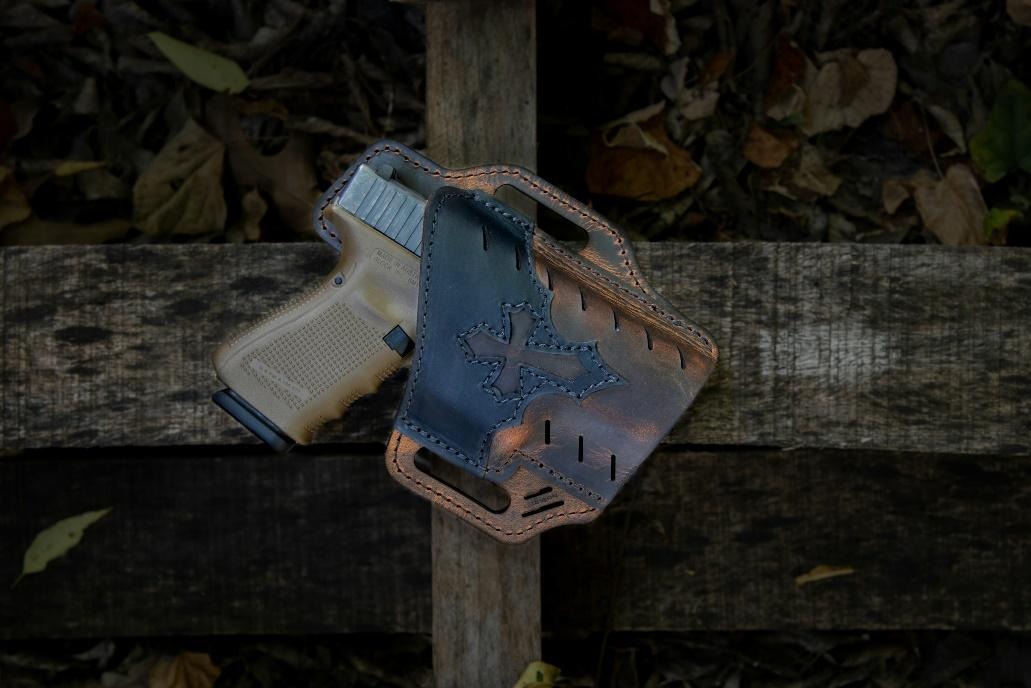
A well-fitted holster is also an important investment. It should hold the firearm securely, protect the trigger, and allow smooth and safe access. Choosing the right fit and material ensures both comfort and safety every time the firearm is used.
Prioritizing Safe Storage Solutions
Perhaps the most critical aspect of responsible gun ownership is secure storage. Firearms must always be stored in a way that prevents unauthorized access, especially by children or untrained individuals. A strong gun safe or lockbox provides peace of mind and legal protection. Modern safes come with advanced locking mechanisms, including biometric scanners, digital codes, and tamper alerts.
Owners should also consider investing in cable locks or trigger locks for added security, especially when traveling or storing firearms temporarily. The goal is to make access impossible to anyone who is not authorized. Firearms should always be unloaded before storage, and ammunition should be kept separately in a secure container.
For those with multiple firearms, organizing them properly within the safe is essential. Racks and separators can prevent scratches and damage, while desiccant packs or dehumidifiers protect against rust and corrosion.
Training Tools and Safety Equipment
Skill development is a constant process for any responsible gun owner. Beyond owning the right equipment, investing in training tools builds confidence and proficiency. Snap caps and dummy rounds allow for safe dry-fire practice, helping owners improve trigger control and accuracy without live ammunition. Laser training aids and target systems can also be excellent for practicing at home in a controlled environment.
Another essential investment is protective clothing. Shooting gloves provide better grip and protection during extended sessions. Proper footwear and comfortable, non-restrictive clothing help maintain balance and mobility. A range bag is also indispensable for organizing gear efficiently. It should have compartments for ammunition, cleaning tools, safety gear, and paperwork, keeping everything accessible and secure.
Range etiquette and safety practices should never be overlooked. Investing in training courses taught by certified instructors helps refine skills, reinforce safety habits, and increase awareness of proper firearm handling.
The Value of Proper Ammunition and Storage
Ammunition is a critical part of firearm ownership, and understanding its care and management is essential. Always purchase ammunition that matches your firearm’s specifications to prevent malfunctions or safety hazards. Storing ammunition properly ensures it remains reliable and stable over time. A cool, dry environment free from excessive humidity prevents deterioration.
Ammunition cans or cases with airtight seals are ideal for long-term storage. Labeling and organizing rounds by caliber and type can prevent confusion and improve safety during use. Avoid stockpiling without proper rotation or inspection, as old or poorly stored ammunition can compromise performance.
Regularly inspecting ammunition before use for signs of corrosion, dents, or damage is another sign of a responsible owner. Never use compromised rounds, and dispose of them safely according to local regulations.
Enhancing Preparedness and Responsibility
Preparedness is another aspect that distinguishes a responsible gun owner from a casual one. Alongside firearms and accessories, consider keeping essential first aid supplies readily available. A trauma kit designed for shooting-related injuries can be lifesaving in emergencies. Such kits typically include bandages, tourniquets, and clotting agents, allowing quick response before professional medical help arrives.
In addition, every owner should keep clear documentation of their firearms, including serial numbers, photos, and purchase details. This information is invaluable for reporting theft or verifying ownership. It also helps maintain an organized record of maintenance and modifications.
Responsible owners also take time to stay informed about local laws and regulations concerning firearm transport, storage, and usage. Understanding these rules not only prevents legal trouble but also reinforces safe and ethical practices.
A responsible gun owner understands that ownership comes with lifelong commitment and care. The right gear, from protective equipment and maintenance tools to safes and training accessories, is not about luxury but about safety and accountability.
Each investment supports responsible habits that protect the owner, their loved ones, and their community. Firearms should always be treated with respect, and through continuous education, proper storage, and mindful handling, every gun owner can uphold the highest standards of responsibility and safety.