
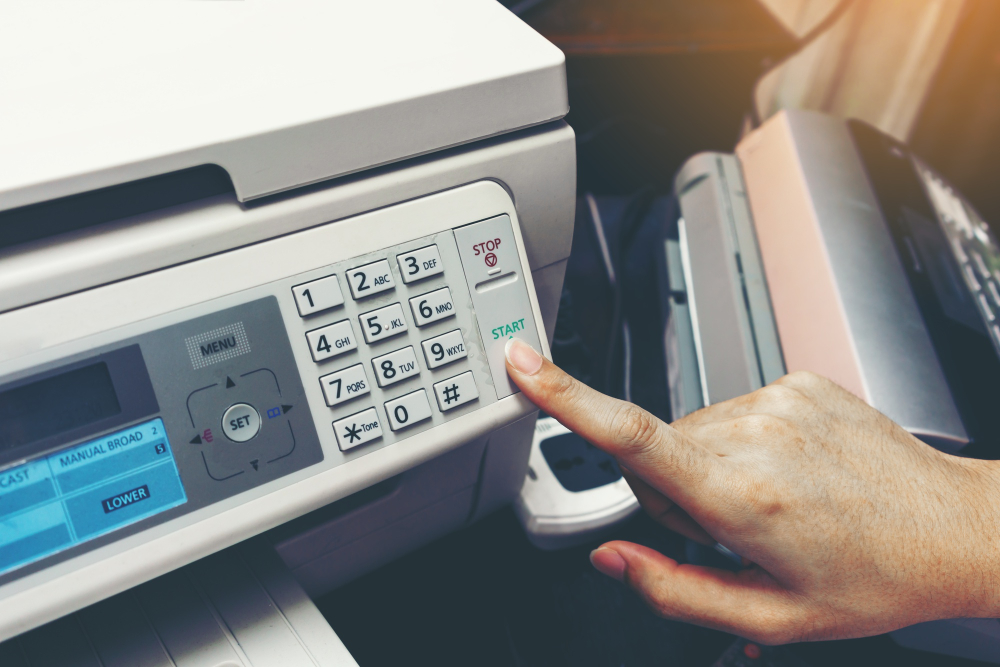
Faxing may sound like an outdated office chore, but walk into many U.S. law firms, and you’ll still find a fax number on the letterhead. But the fax machine itself is often gone. What remains is the need to send and receive documents through a system that courts, agencies, and other legal professionals still recognize. Let’s get into some details, shall we?
Courts, agencies, and opposing counsel keep faxes in the workflow
Legal practices often have to work with systems they didn’t choose. Some courts, county clerks, licensing boards, and government agencies still accept certain documents by fax. Particularly when a matter is time-sensitive or their electronic filing options are limited. Requirements vary by jurisdiction and agency, so attorneys and paralegals generally need to check the specific filing or submission instructions rather than assume email will work.
Fax can also come up when dealing with opposing counsel or other firms. A lawyer may request a document by fax because that is how their office handles certain correspondence or because a particular procedure calls for it. Keeping a fax number available can be easier than dealing with a missed deadline or arguing over an office's preferred communication method.
For firms that no longer want a physical machine, services can let staff handle fax transmissions from a computer or mobile device. A free fax cover sheet generator can also make it easier to prepare a consistent cover page when sending legal documents.
Confidentiality still matters
Legal faxes can contain privileged or otherwise confidential information, so the cover sheet should not be treated as an afterthought. A typical legal fax cover sheet identifies the intended recipient and includes a confidentiality notice explaining that the transmission is intended only for that recipient.
The notice can also ask an unintended recipient to contact the sender and destroy the fax rather than read, copy, or distribute it. While a cover sheet does not by itself guarantee confidentiality or preserve privilege, it is a practical safeguard when documents are being transmitted to a shared fax line.
Faxing without a fax machine
Therefore, in modern-day office reality, an attorney can usually send a fax without keeping a dedicated machine itself. Documents can be uploaded from a computer, tablet, or phone. Later, they can be transmitted to a fax number and followed by a delivery confirmation or transmission record.
For small firms in particular, this approach can keep fax available for the situations where it is still required without sacrificing valuable office space.
Briefly summarizing, fax may no longer be the default way lawyers communicate. However, as long as parts of the legal system continue to rely on it, law firms still need a practical way to use it.