
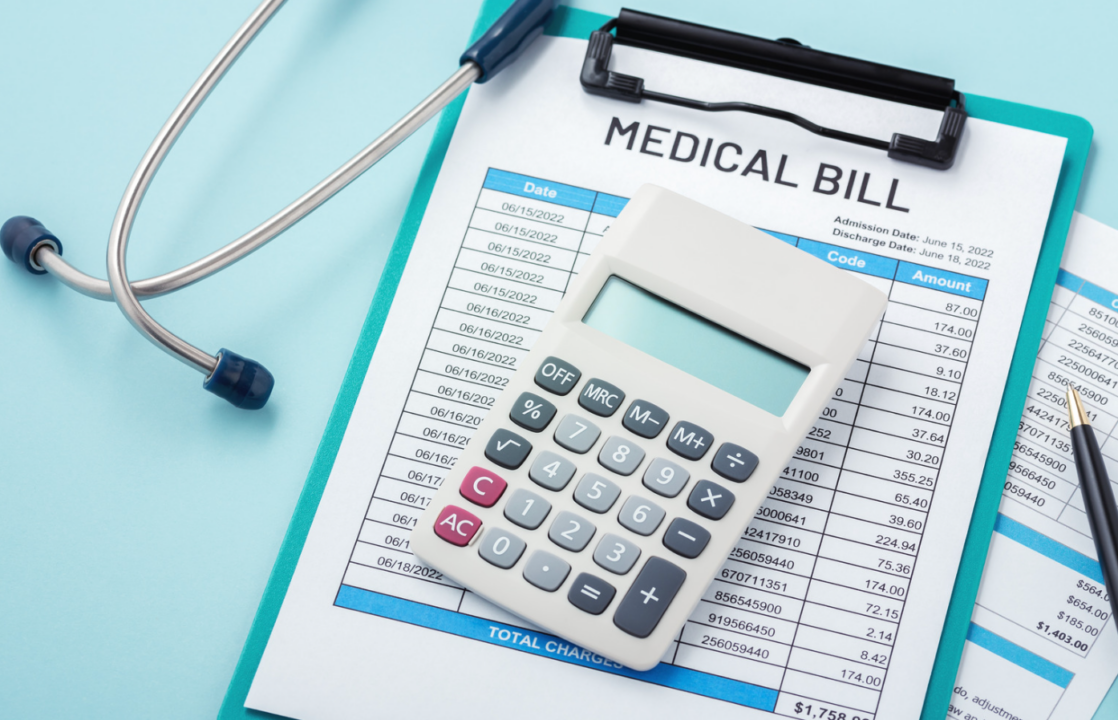
While a Houston car accident claim is pending, your medical bills are usually paid by your own coverage first, such as personal injury protection, health insurance, or Medicare, or they are held until the case resolves through a hospital lien or a letter of protection. The at-fault driver’s insurer generally does not pay bills as they come in. It pays once, at settlement or judgment.
That gap creates stress for many families, and the paperwork does not help. Bills arrive from the ambulance company, the emergency room, radiology, and specialists, often in dense English. Ben Dominguez, a Houston car accident lawyer who has represented injured Texans for 30 years, works with clients in Spanish from the first conversation, and his firm lists a $7 million automobile accident recovery among its published results. For Spanish-speaking families in neighborhoods like Gulfton, understanding who owes what is the first step to protecting a claim.
The sections below explain every common payment source, in the order most people encounter them.
Why Do Bills Arrive Before the Settlement?
Medical providers bill as soon as they treat you. An injury claim, by contrast, usually cannot settle until your treatment is finished or your doctors can predict future care. In serious cases, that can take a year or more.
Houston’s major trauma centers, including Ben Taub and Memorial Hermann in the Texas Medical Center, provide world-class emergency care. That care is also expensive, and the bills start right away.
1. Personal Injury Protection (PIP)
PIP is usually the first money available. Under Chapter 1952 of the Texas Insurance Code, Texas auto policies include at least $2,500 in PIP unless the policyholder rejected it in writing.
PIP pays medical bills and part of lost wages regardless of who caused the crash. It also typically covers passengers in your car. File a PIP claim with your own insurer quickly.
2. Health Insurance
Your health insurance can pay for treatment while the claim is pending. You will still owe copays and deductibles.
Most health plans have a right to be repaid from your settlement for what they paid. This is called subrogation or reimbursement. Employer plans governed by federal law often have especially strong repayment rights. Keep every explanation of benefits you receive.
3. Medicare and Medicaid
If you are on Medicare or Medicaid, it may pay for crash-related treatment. Both programs must be repaid from any settlement, and federal rules require Medicare’s interests to be protected before money is distributed. Ignoring these repayment rights can cause serious problems later.
4. Medical Payments Coverage
Some Texas drivers carry optional medical payments coverage, or MedPay. Like PIP, it pays medical bills regardless of fault, up to the policy limit.
5. Hospital Liens
If a hospital treats you after a crash, it may file a lien under Chapter 55 of the Texas Property Code. A hospital lien attaches to your injury claim, not to your house or your bank account.
Key points about Texas hospital liens:
- The hospital must file a notice of the lien in the county records, such as in Harris County.
- The lien is limited to reasonable and necessary charges for emergency and hospital care.
- A settlement may need to account for the lien before funds are released.
Liens can often be negotiated, especially when the settlement is limited by insurance.
6. Letters of Protection
A letter of protection is a promise, usually from your lawyer, that a doctor or clinic will be paid from your settlement. It lets you get treatment now without paying up front.
Letters of protection are common in Houston injury cases, especially for people without health insurance. They come with trade-offs. Providers treating under a letter of protection often bill at full rates, and the defense may challenge those charges. In 2021, the Texas Supreme Court ruled in In re K & L Auto Crushers that defendants can seek discovery of a provider’s negotiated rates with insurers to test whether charges are reasonable.
How Does Texas Limit What You Can Recover for Medical Bills?
Texas uses a “paid or incurred” rule. Under Section 41.0105 of the Civil Practice and Remedies Code, recovery for medical expenses is limited to the amount actually paid or incurred by you or on your behalf.
The Texas Supreme Court applied this rule in Haygood v. De Escabedo (2011). If a hospital billed $50,000 but your health insurer paid $18,000 under its contract, your recoverable past medical expenses are generally based on the $18,000, not the full bill.
This rule affects settlement value. It is also why the payment source matters so much.
Example of How Payment Sources Stack
Suppose a Houston driver is rear-ended on Westheimer and goes to the emergency room, then needs six weeks of physical therapy.
- PIP pays the first $2,500 of bills.
- Health insurance pays most of the remaining ER and therapy charges at contracted rates.
- The hospital files a lien for the unpaid balance.
- The case settles with the at-fault driver’s insurer.
- From the settlement, the health plan is reimbursed, the lien is resolved, and the remaining money goes to the injured driver after fees and costs.
Each step has its own paperwork and its own deadlines.
What Should You Do With Medical Bills Right Now?
You can protect yourself and your claim by staying organized.
- Open a PIP claim with your own insurer right away.
- Give providers your health insurance information, even if you plan to make a claim against the other driver.
- Keep every bill, receipt, and explanation of benefits in one folder.
- Do not ignore collection notices. Respond in writing and explain that the bill relates to a pending injury claim.
- Ask any provider who offers a letter of protection what rate they will bill.
- Track mileage to medical appointments and out-of-pocket costs.
How Long Do You Have to File in Texas?
Texas generally gives you two years from the date of the crash to file a personal injury lawsuit. Medical treatment does not pause that deadline. If treatment is still going on as the deadline approaches, a lawsuit can be filed to protect the claim while care continues.
Houston Medical Bills After a Car Accident
- The at-fault driver’s insurer usually pays once, at settlement, not as bills arrive.
- PIP, health insurance, Medicare, Medicaid, and MedPay can cover care in the meantime.
- Hospital liens and letters of protection let treatment continue but must be resolved from the settlement.
- Texas limits medical expense recovery to amounts actually paid or incurred.
- Organized records and early PIP claims reduce stress and protect the claim.
Medical bills are often the most stressful part of a crash, even more than the injury itself. Knowing who pays, and when, turns a pile of envelopes into a plan.